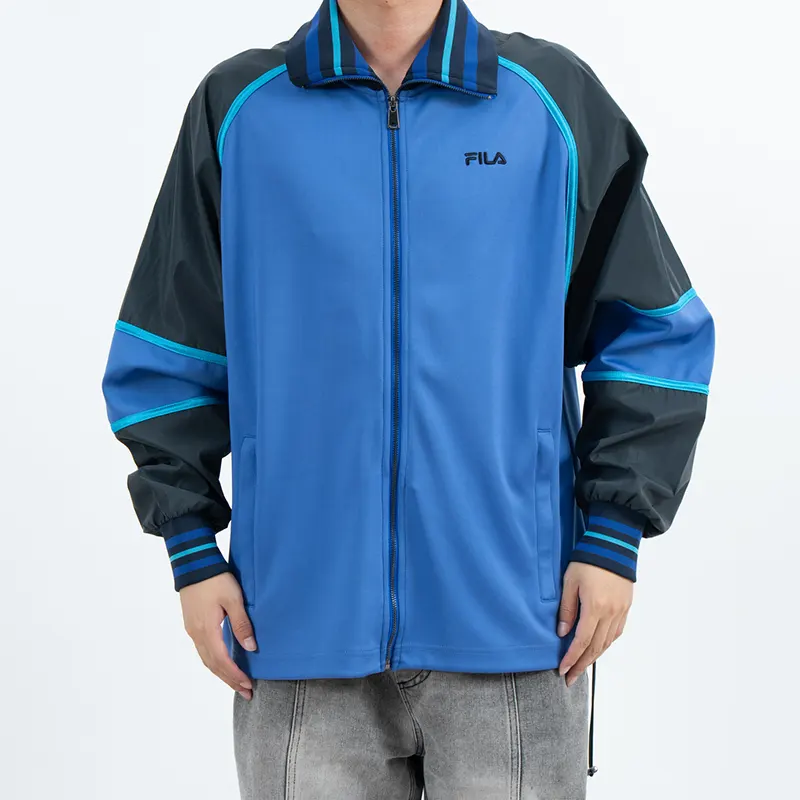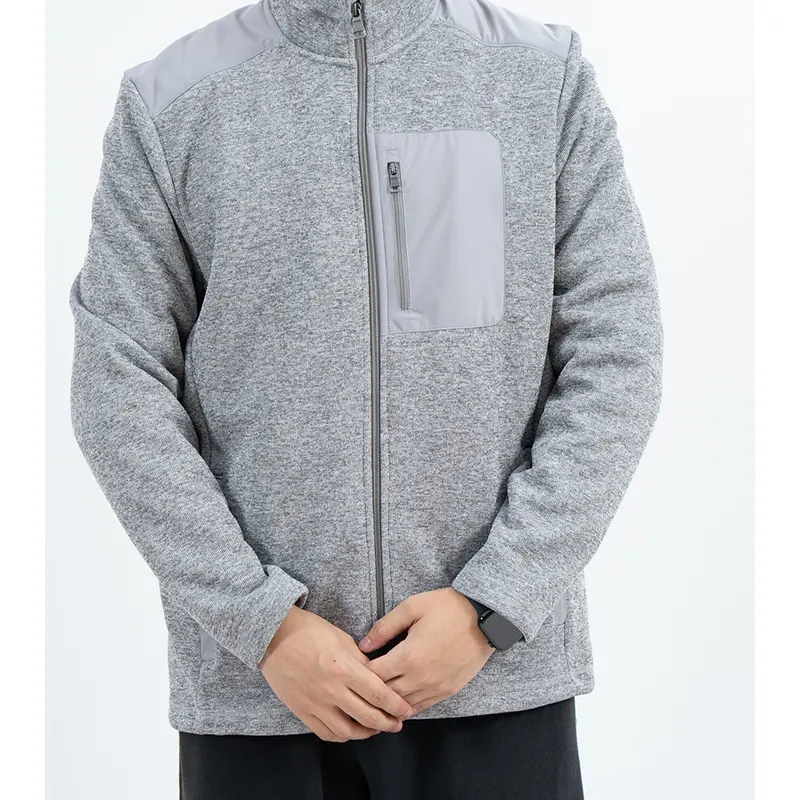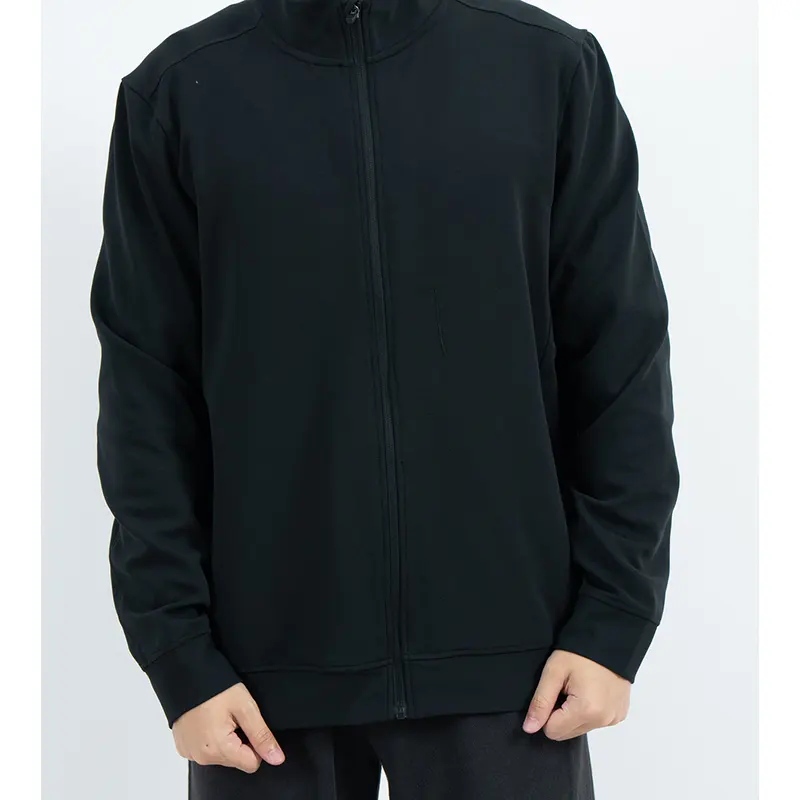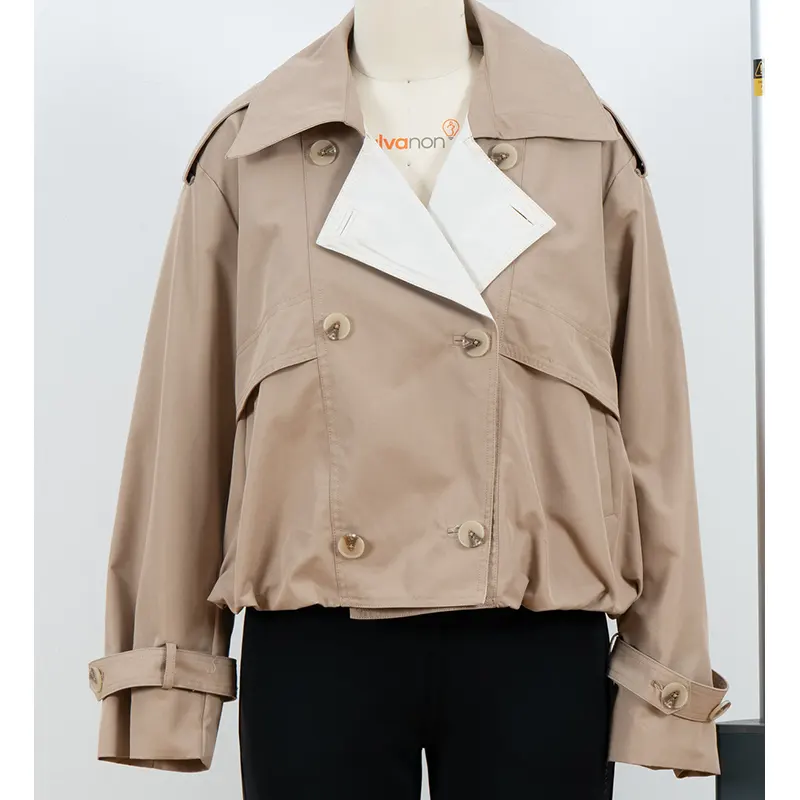

Dongbang develops custom Jackets with front openings, pockets and panels that work as a connected design. These features shape how a jacket is used as well as how it looks. Ningbo Haishu Dongbang Garment Co., Ltd. supports casual track-inspired and more structured directions, with construction developed for the selected material and intended layering.
How should the front and pocket layout support everyday use?
Plan the jacket around access, opening and the visual line of the front. A clean full-zip body with few interruptions creates a different product from one whose chest and side pockets are major features. The buyer should decide where practical storage belongs and how visible it should be.
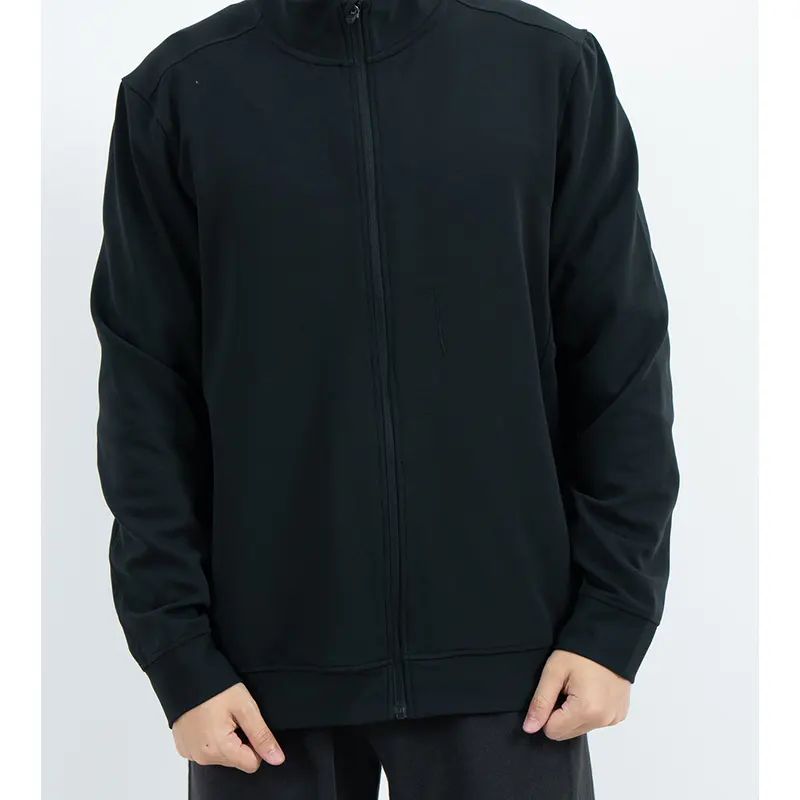
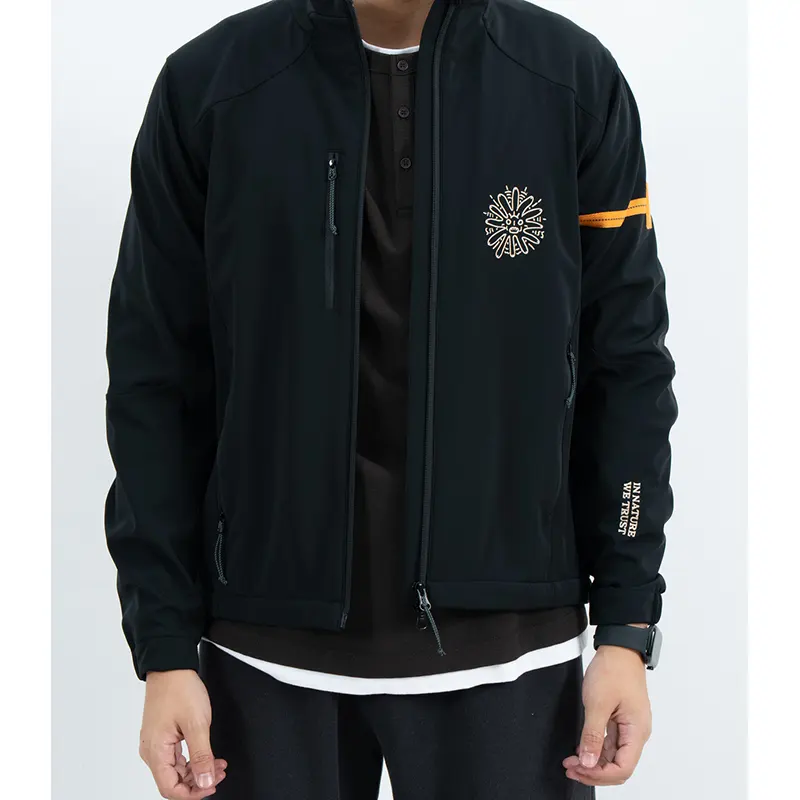
Track Jacket · DB0042
Uses a black full-zip body with shoulder and back panels. Its main design relationships follow the panel seams and the balance between the front opening and the upper body. This is a useful direction when the buyer wants a sporty outline in which seam placement and color divisions do much of the visual work.
View Details →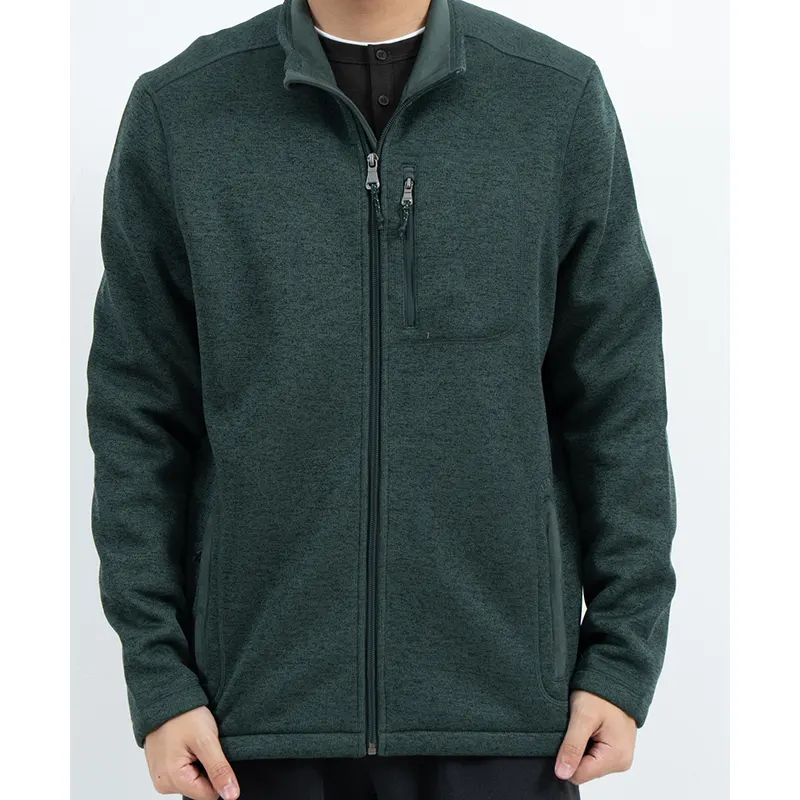
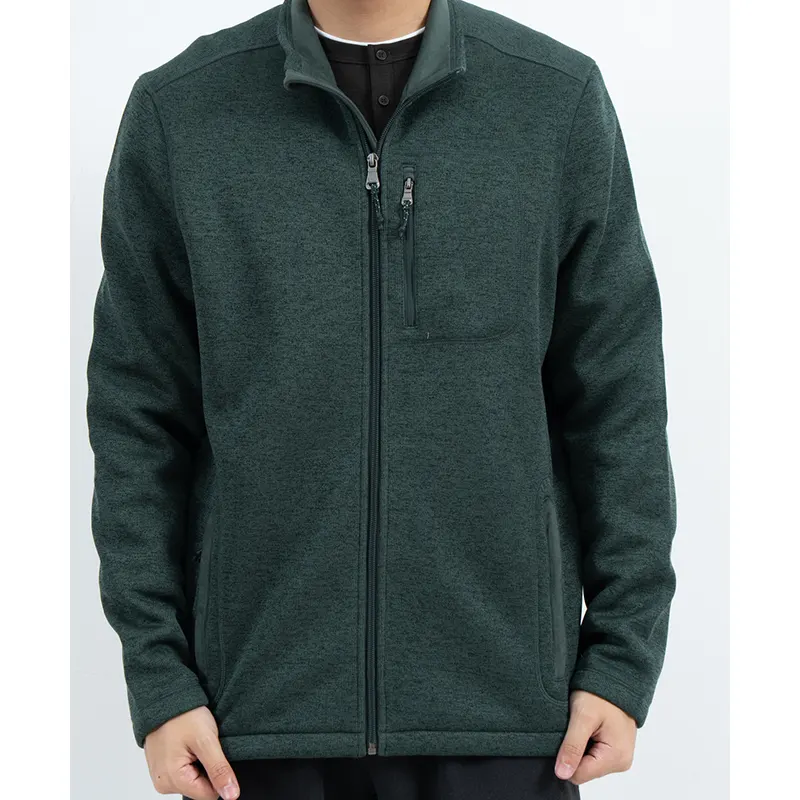
Stand Collar Zip Jacket · DB0046
Has a green body, stand collar, zipped chest pocket and zipped side pockets. Multiple openings create more points of use and a more detailed front. Pocket height and reach should be considered together with collar height, body length and the line of the main zipper.
View Details →For a custom layout, define what each pocket needs to hold and whether it will be used with the jacket open, closed or while seated. A larger pocket is not always more practical if its bag adds bulk or its position distorts the front.
How do shell, lining and support materials affect the jacket?
Consider the complete material assembly rather than the outer fabric alone. A soft outer layer and a firmer woven body need different support around collars, facings and openings. Lining and reinforcement can also change bulk and movement.
At a pocket opening, evaluate the outer fabric with the selected pocket construction. At the main zipper, consider tape, facing and any lining together. A combination that looks flat on separate swatches may behave differently when several layers meet at the same seam.
Color approval should include visible inside components and trims. A zipper tape or lining can stand out when the jacket is open even if it is barely visible when closed. If the jacket is being developed for weather-related use, specify and evaluate the required function separately from these appearance decisions.
Which collar and body choices give the design its character?
Set the upper shape and length in relation to the intended inner layer. A stand collar creates a more enclosed neckline, while a lower opening changes how the inside garment is seen. A shorter body also changes the position of pockets and the balance between the upper and lower front.
Review the jacket over the type of clothing it is expected to cover. Chest and sleeve room should allow the intended movement without uncontrolled excess. Higher collars need a comfort check when fastened, and longer bodies need to be assessed while sitting as well as standing.
Panels can shape the visual line even when they are not used for contouring. Keep their placement deliberate around the shoulder, back and side body. If two materials meet, their weight, stretch and care behavior should be compatible with the seam and desired outline.
What construction relationships should be resolved before production?
Review the order in which the main components meet, paying particular attention to areas where several details depend on one another. A pocket cannot be positioned independently if its bag or opening conflicts with a lining seam or front facing.
- Front assembly: confirm the relationship between zipper length, facing, hem and collar.
- Pocket assembly: align opening size, pocket bag, reinforcement and intended access.
- Panel assembly: check paired positions, seam continuity and the junction of different materials.
Evaluate operation as well as appearance. The zipper should work through the complete opening, pockets should remain usable and the collar should sit as intended when fastened. Any later change to a zipper, lining or panel material should prompt a review of the affected assembly.
Jacket Assembly and Quality Review at Dongbang
Dongbang's 16 QC staff support quality control within a workflow that includes cutting, sewing, finishing and inspection. For jackets, the agreed review can focus on front alignment, paired pocket positions, closure operation and the places where lining, facing and shell meet. These are practical checks on the complete construction, so the buyer should provide the approved material combination and assembly details as part of the production reference.
Frequently Asked Questions
- Can a jacket use a two-way front zipper?
- It can be considered subject to garment length, construction, availability and intended use. Review operation and the opening shape on the complete sample.
- Can a removable trim be included?
- The trim and its attachment can be evaluated as development options. Define how it is removed and refitted, and how the jacket should look without it.
- Can inside branding be visible when the jacket is open?
- Yes, it may be developed in a suitable location. Include the artwork or label dimensions and review the relationship with the lining and facing.
Mark the openings and pockets that matter to your jacket design, then send the reference and intended material direction for an assembly review with Dongbang.
Contact Us Now