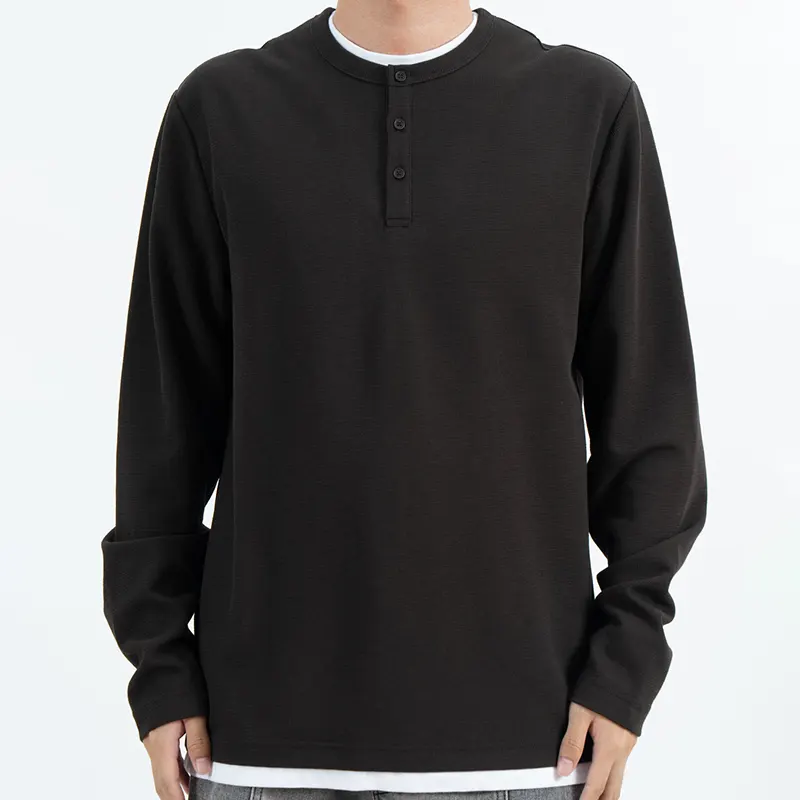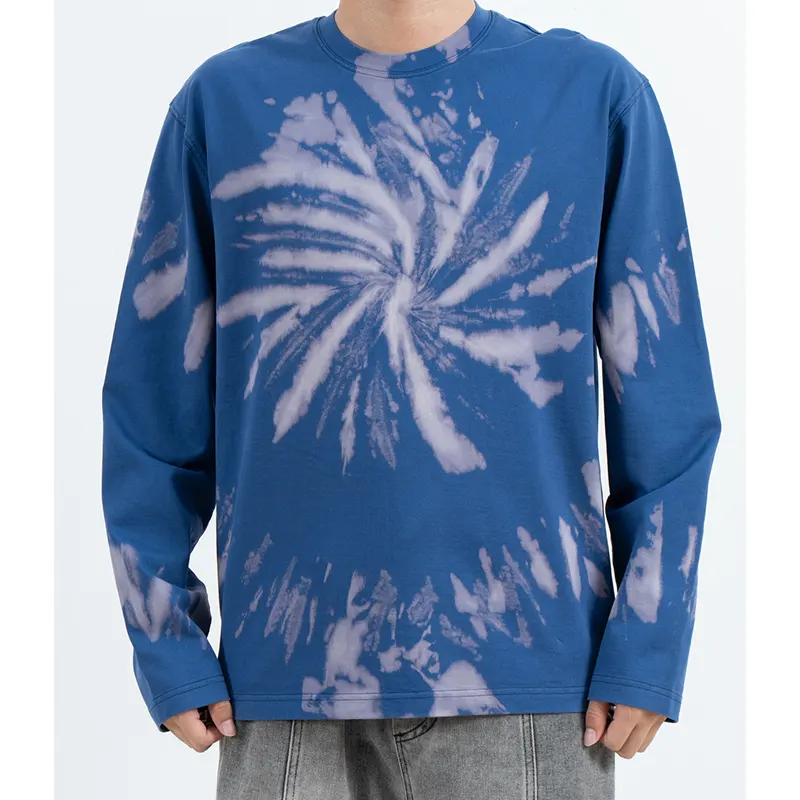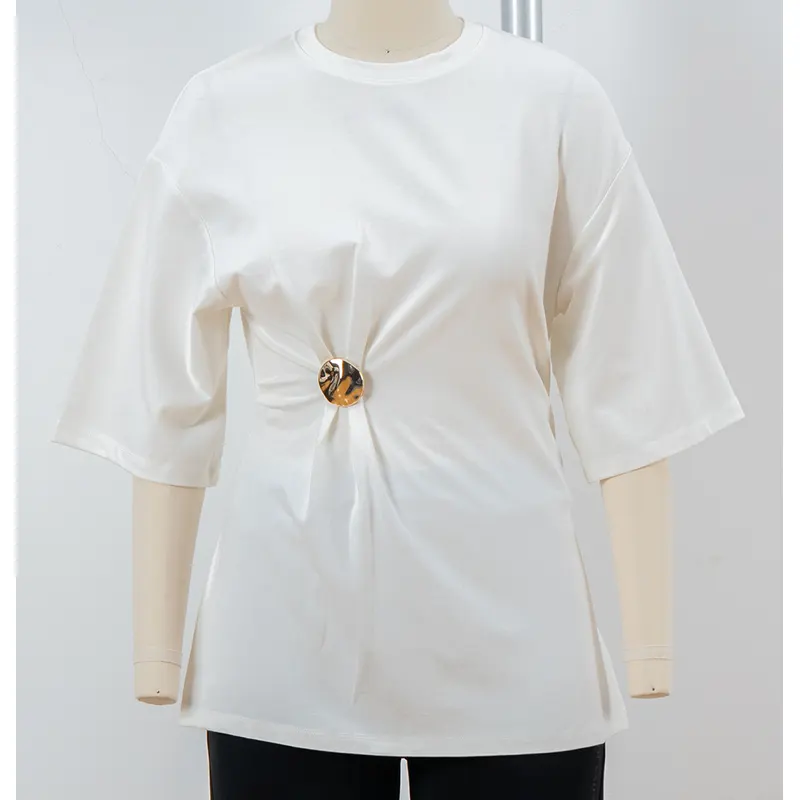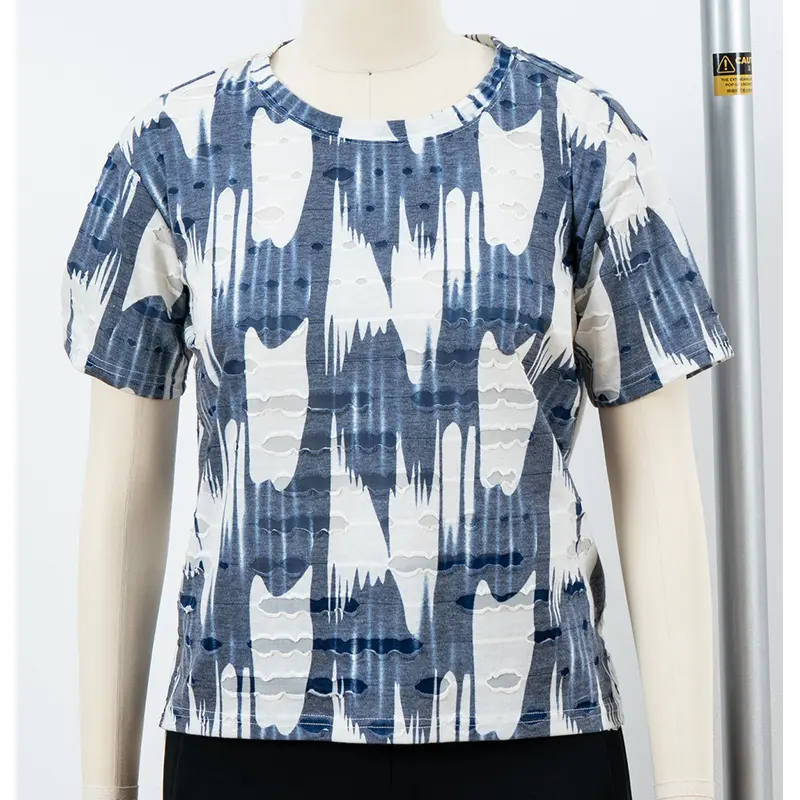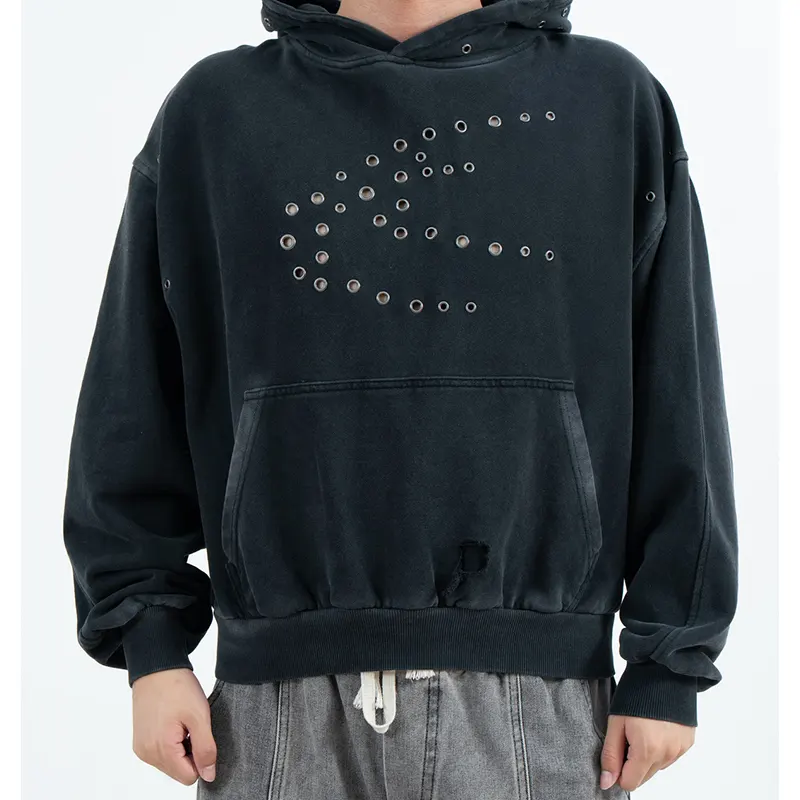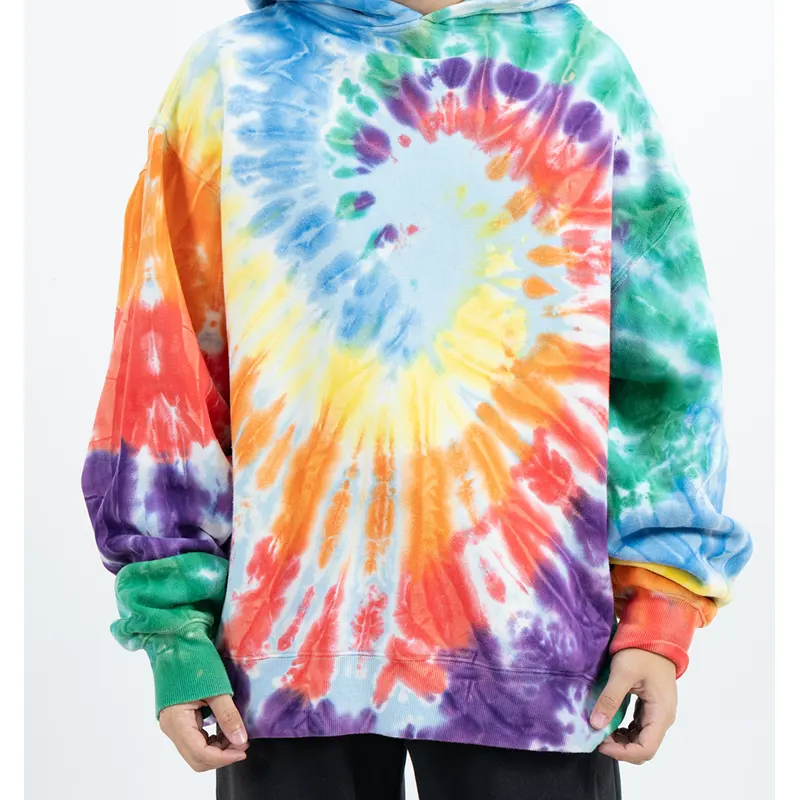

Crafting the perfect custom Pullover Hoodies & Sweatshirts requires a precise balance between fabric weight, body volume, and surface finish. Whether you are developing a minimalist oversized crew neck, a heavyweight graphic hoodie, or an intricate tie-dye effect, the foundation relies on pattern engineering and the relationship between the base fabric and the garment's architecture. Ningbo Haishu Dongbang Garment Co., Ltd. provides end-to-end OEM/ODM solutions—from sourcing premium fleece and French terry to coordinating complex wash, dye, and printing processes. We ensure every piece retains its intended silhouette, premium hand feel, and visual impact for your target market.
What kind of fabric and body shape should lead the program?
Choose the intended outline and hand feel together. A broad sweatshirt body needs material that expresses its volume, while a softer drape can create a looser fall. Weight alone does not describe the result: construction, inner surface and recovery also matter.
| Garment relationship | Decision to make | Effect to review |
|---|---|---|
| Body and lower band | How closely the band should hold the hem | Straight fall, blousing or gathering above the band |
| Sleeve and cuff | Sleeve volume against cuff opening | Shape at the wrist and ease when the arm bends |
| Neckline and upper body | Crew-neck finish or added hood | Visual weight and balance around the shoulders |
| Main fabric and rib | Compatible thickness, stretch and recovery | How the garment returns to its intended outline |
For an oversized direction, shoulder drop, sleeve width and body length need to work with chest volume. Simply widening a familiar pattern can leave the neckline or sleeves looking out of proportion. The expected inner garment also affects how much room is useful.
How can plain, graphic and color-effect pieces work in one collection?
Give each piece a clear visual job. A plain shape can establish the base silhouette, a graphic garment can carry the collection identity, and a color-effect piece can provide a more expressive option.
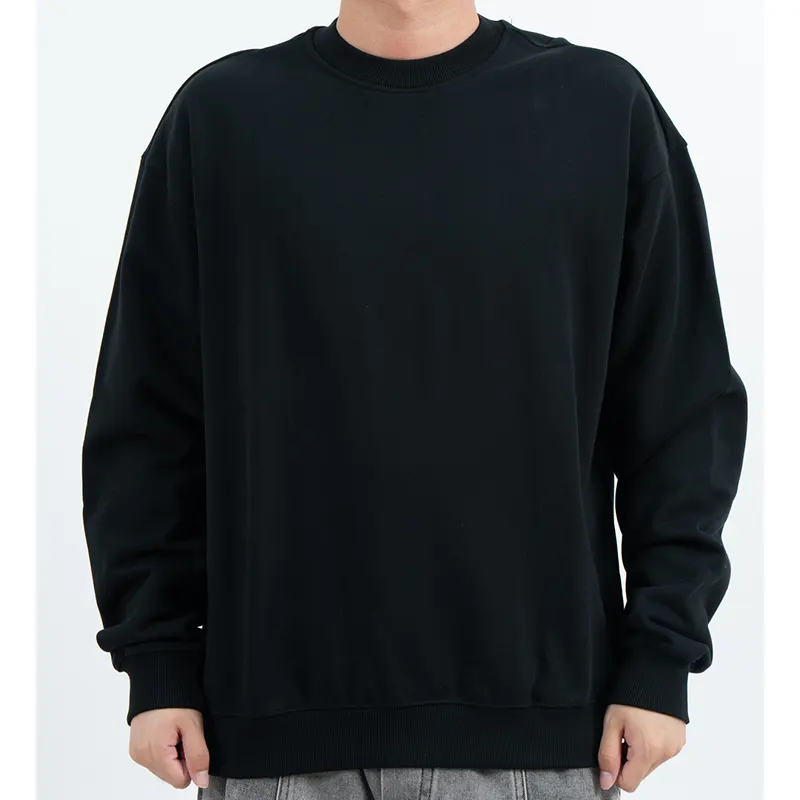
DB0029
Crew Neck Sweatshirt
Uses a plain black body with broad proportions and dropped shoulders. With no large graphic competing for attention, its identity rests on the body width, sleeve volume and lower edge. It provides a useful reference for developing the core shape of a relaxed sweatshirt program.
View Product →
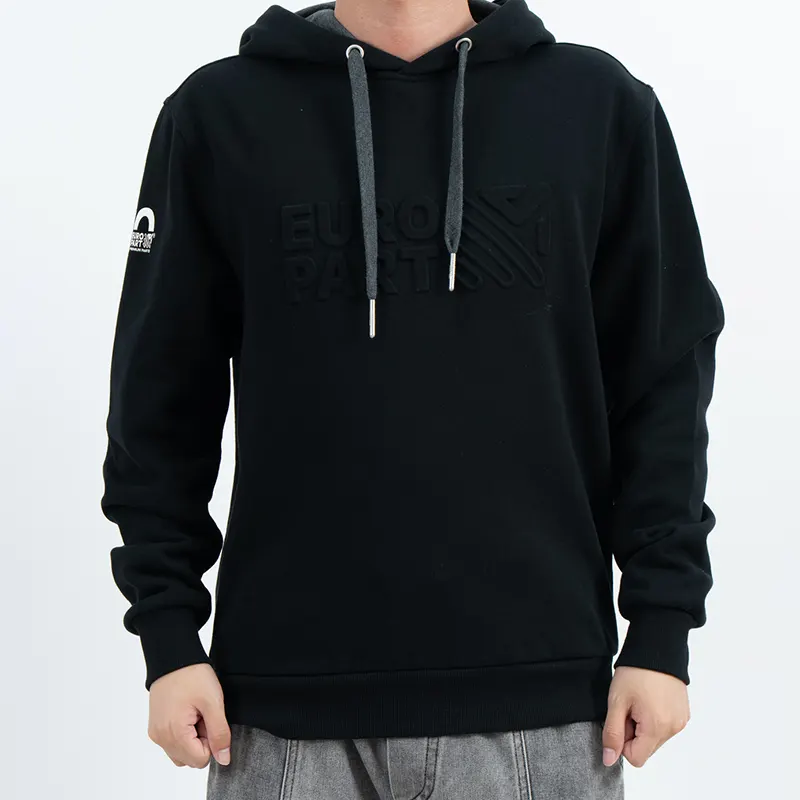
DB0027
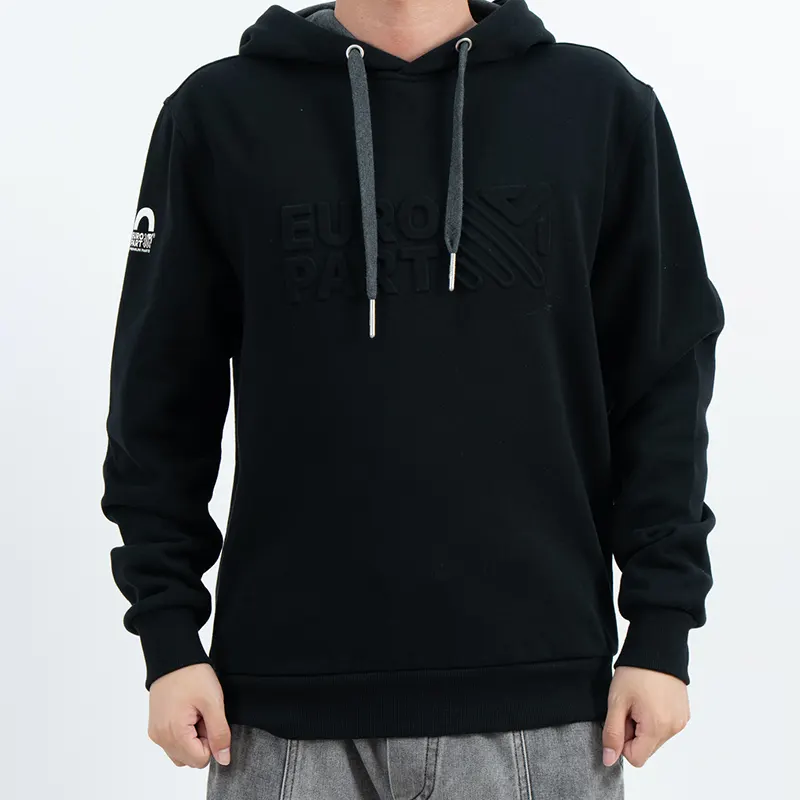
Graphic Pullover Hoodie
Has raised-looking tonal chest artwork and a larger truck graphic on the back. The front and back need separate scale and placement decisions. The selected decoration method should be evaluated on the material, especially where surface feel or small detail is central to the design.
View Product →
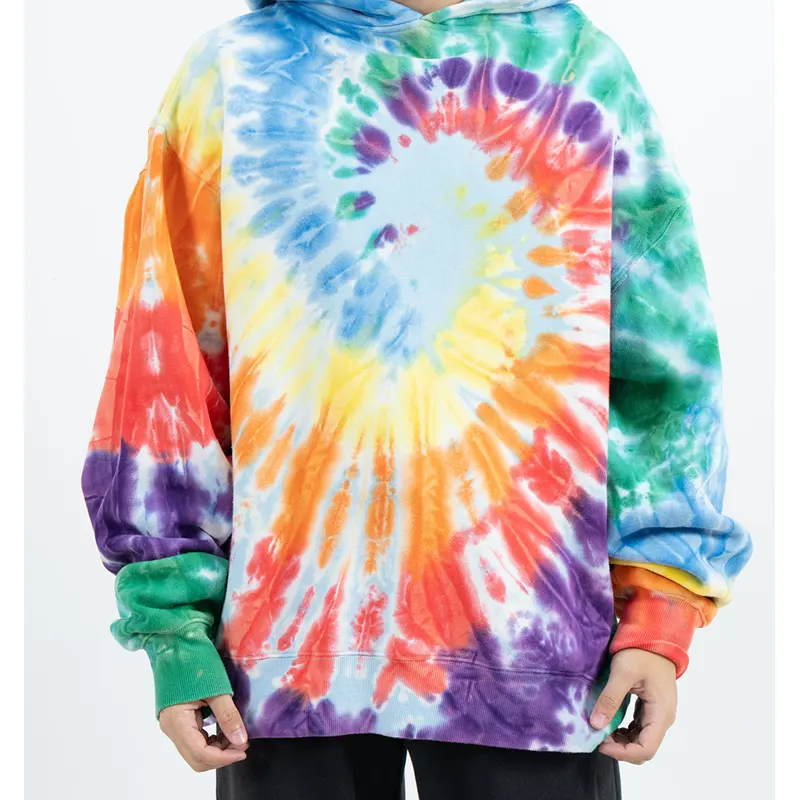
DB0037
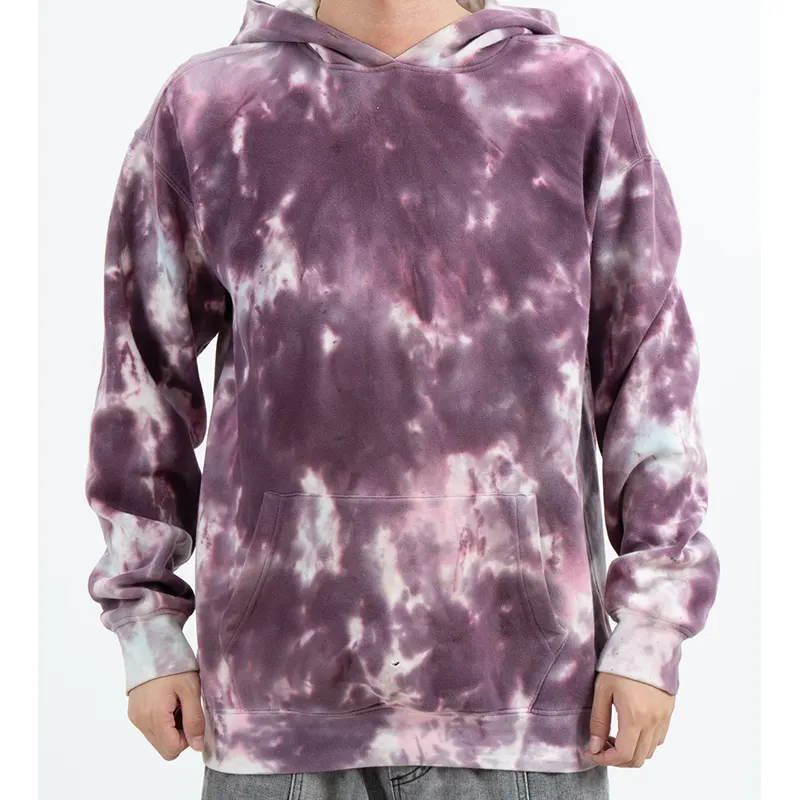
Tie-Dye-Effect Pullover Hoodie
Uses a multicolor spiral appearance on an oversized body. The distribution of color becomes part of the garment's identity. For development, agree a visual reference and acceptable variation, then choose and evaluate the process on the intended material rather than assuming a particular method from the appearance.
View Product →
How should the hood or neckline change the garment architecture?
Treat the upper opening as part of the silhouette. A crew neck gives a clear chest area and concentrates attention on neckband shape. A hood adds weight and volume at the back and changes the visual relationship between neckline and shoulder.
For a hoodie, define hood depth, height, overlap, lining and any drawcord arrangement. Review it both resting on the back and worn up. For a crew neck, consider the width and recovery of the band and the appearance of the shoulder joins. These choices should follow the body fabric instead of borrowing a finish from an unrelated style.
Pocket construction also changes the front. A kangaroo pocket introduces another area of material and a visible horizontal line. Its opening and position should suit the body length and intended reach. A plain sweatshirt may achieve its intended look without a pocket, leaving the silhouette as the main feature.
What needs attention when finishing changes the fabric's appearance?
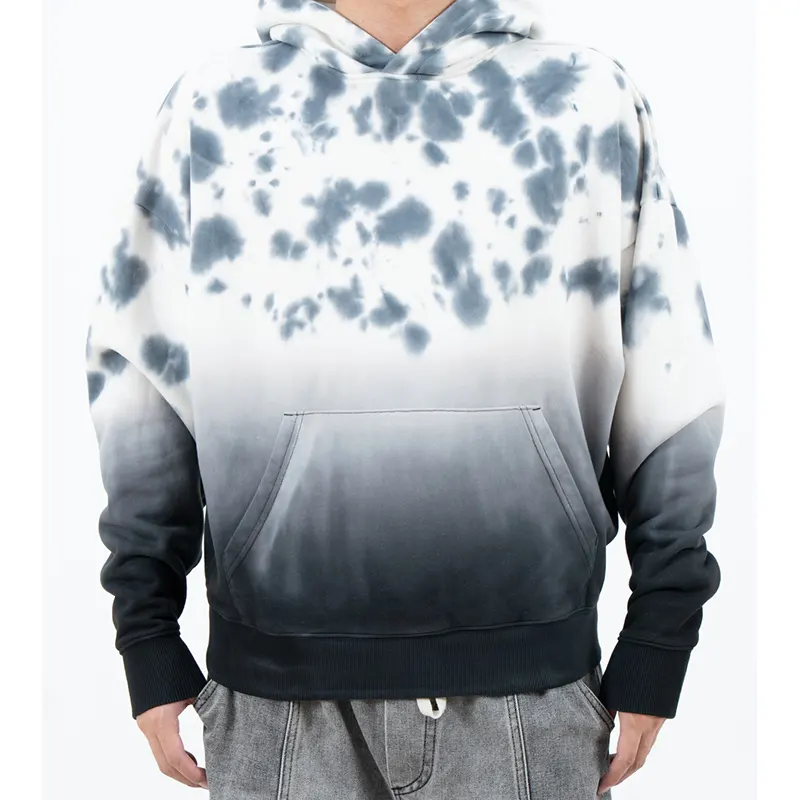
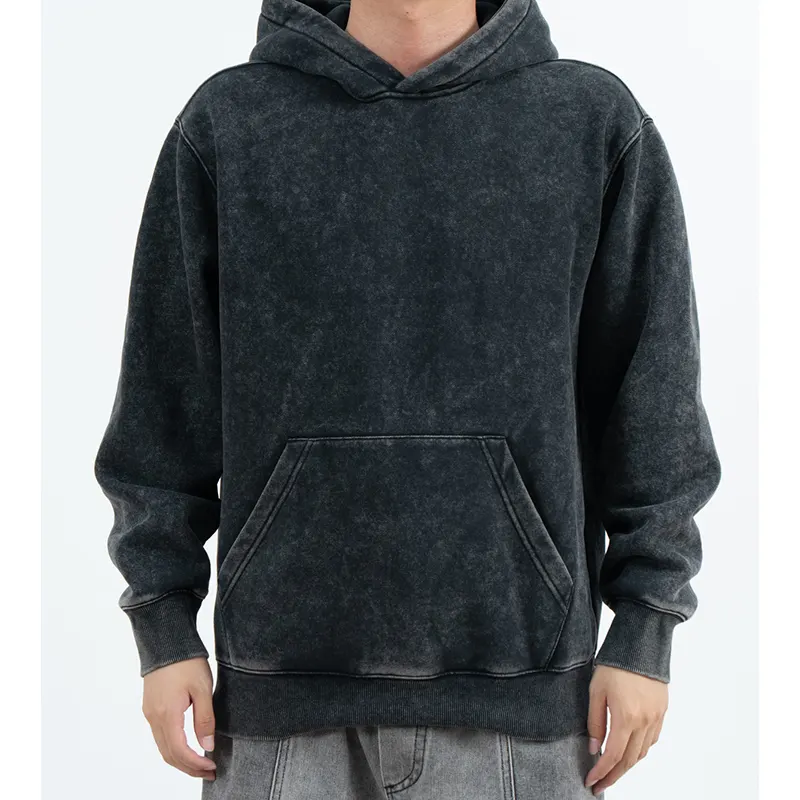
Evaluate the complete garment after the proposed surface process. A color or wash effect can change the relationship between body fabric, rib, thread and decoration; reviewing them only before the process may miss the final visual result.
Keep an approved reference for the desired shade and distribution. Identify where variation is part of the effect and where details must remain consistent, such as paired panels or graphic placement. Measurements, seam appearance and the way the hem and cuffs sit should be reviewed on the processed garment.
Where a program combines plain and treated styles, maintain separate specifications for the affected materials and process routes. Their shared branding should not hide the fact that they may need different production controls.
Material Checks for Dongbang Pullover Production
Dongbang's incoming fabric inspection normally uses at least 10% sampling per batch; 100% inspection may be used for higher-risk materials or new suppliers. For a pullover program, the material review matters because the body and its rib components determine much of the final shape.
The production workflow also includes finishing and inspection. The buyer's agreed checkpoints can connect the chosen fabric combination with the required cuff, hem and neckline result, including any appearance change introduced by the selected process.
Frequently Asked Questions
- Can a crew-neck style be developed with a chest pocket?
- It can be considered if the fabric and silhouette suit the added panel. Review pocket scale, attachment and any interaction with artwork.
- Can the hood be developed without a drawcord?
- Yes. Define the intended face opening and edge finish for that version so the hood retains the desired shape without relying on the cord.
- Can the inside neck finish carry a custom brand detail?
- It may be developed according to the design and material. Supply the label or artwork dimensions and review comfort and visibility on the sample.
- Can you develop heavyweight hoodies over 400 GSM?
- Yes, we frequently develop heavyweight fleece and French terry garments (e.g., 350 GSM to 450 GSM). For heavyweight styles, we carefully adjust the pattern to ensure the neckline, cuffs, and hem bands have sufficient recovery to support the fabric's weight.
- How do you ensure the consistency of tie-dye or washed effects?
- Surface treatments inherently involve slight variations. We establish a "golden sample" or approved strike-off for the desired visual effect and acceptable variation range. Our QC team checks the consistency of the color distribution and panel matching during production.
- What is the standard MOQ for custom pullover hoodies?
- Our standard MOQ is 500 pieces per style/color for standard fabrics. Custom-developed fabrics, specialized washes, or highly complex printing techniques may require a higher MOQ depending on the material sourcing requirements.
Identify the core pullover shape and the plain, graphic or color-effect variants you want, then share them with Dongbang for a coordinated development review.
Start Your Hoodie Project