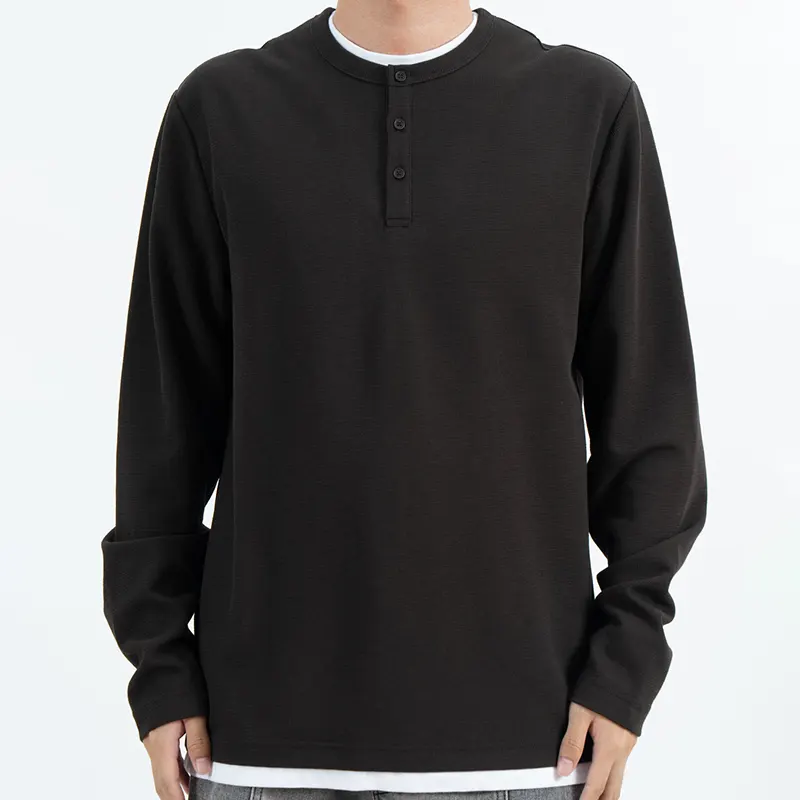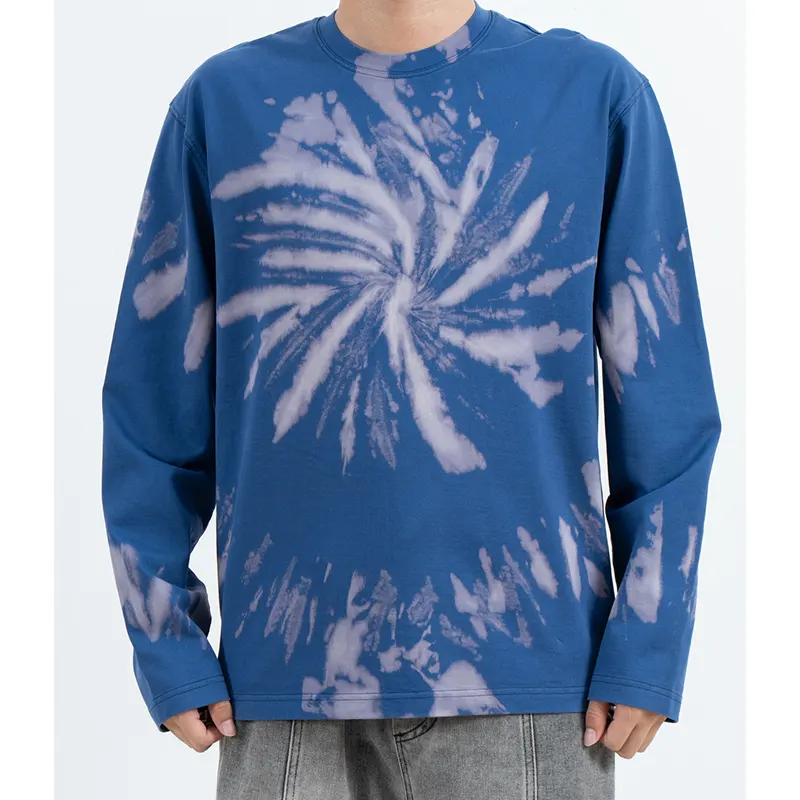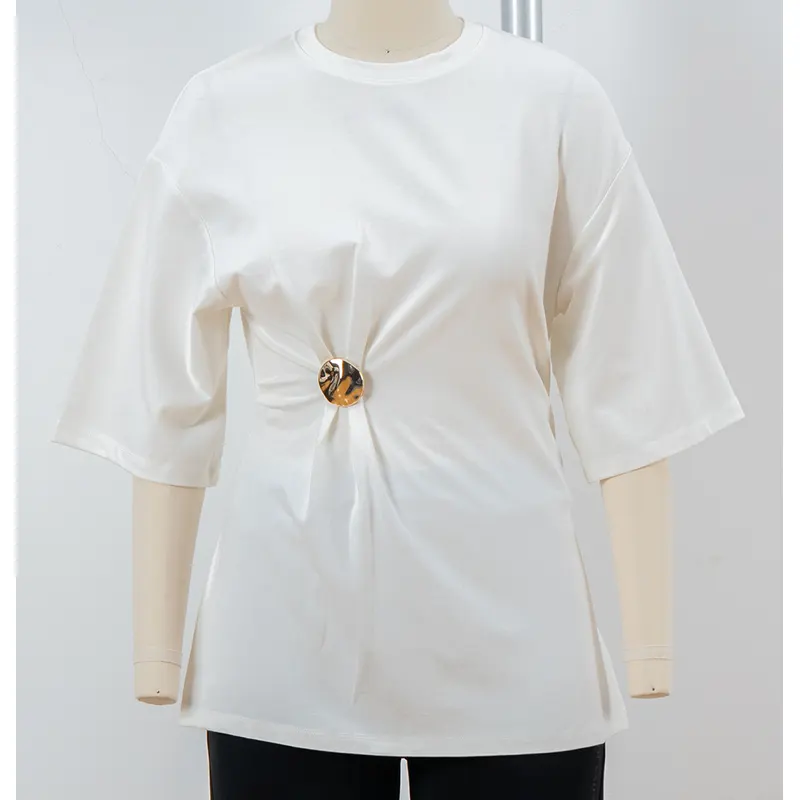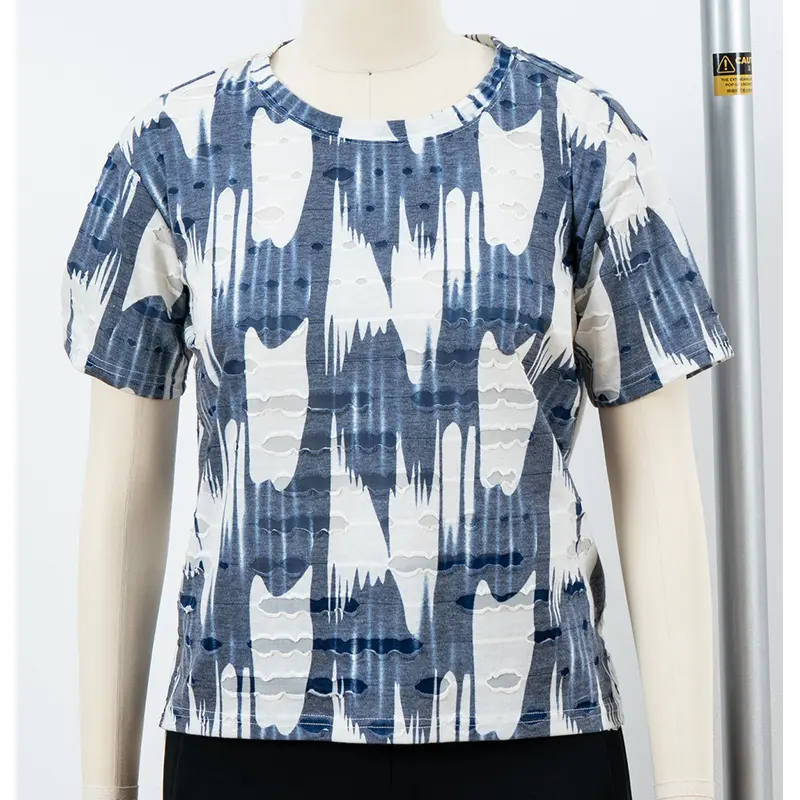

As a leading custom clothing manufacturer and supplier in China, Ningbo Haishu Dongbang Garment Co., Ltd. helps buyers plan complete Clothing Sets programmatically. Whether you require fixed outfits or coordinated pieces ordered separately, this commercial decision deeply affects sizing, quantities, labeling, and packing. We support global buyers in defining the complete set program before individual garments enter bulk production.
How Will the Set Be Sold and Ordered?
Choose the sales format before finalizing the order structure. A fixed set offers one complete product, while separately selectable pieces allow more choice in size and combination. Each format needs clear information about what the buyer will receive.
| Sales format | Buyer-facing offer | Order information to settle |
|---|---|---|
| Fixed set | A defined top and bottom together | Contents, shared size label, and quantity by set |
| Mixed-size set | A coordinated outfit with different component sizes | Permitted combinations and packing identification |
| Coordinated separates | Pieces that can be selected individually | Quantity, labeling, and product information for each garment |
Consider the fit expectations of the target market. One shared size may be straightforward to present, but it will not suit every body proportion. Separate sizing offers flexibility and introduces more combinations to manage. The decision should be visible in the inquiry rather than left until packing.
Which Set Concepts Can Serve Different Commercial Roles?
Choose a set direction that makes sense as a complete offer. The reason to buy the pieces together might be a distinctive shared material, a coordinated casual outfit, or a defined layering purpose. That reason should remain clear in product presentation.
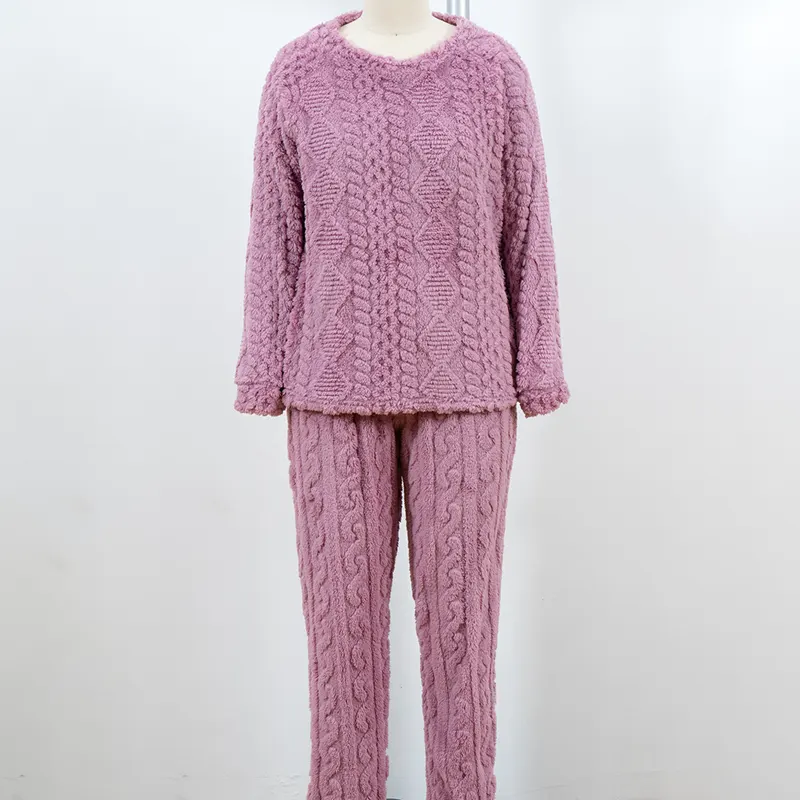
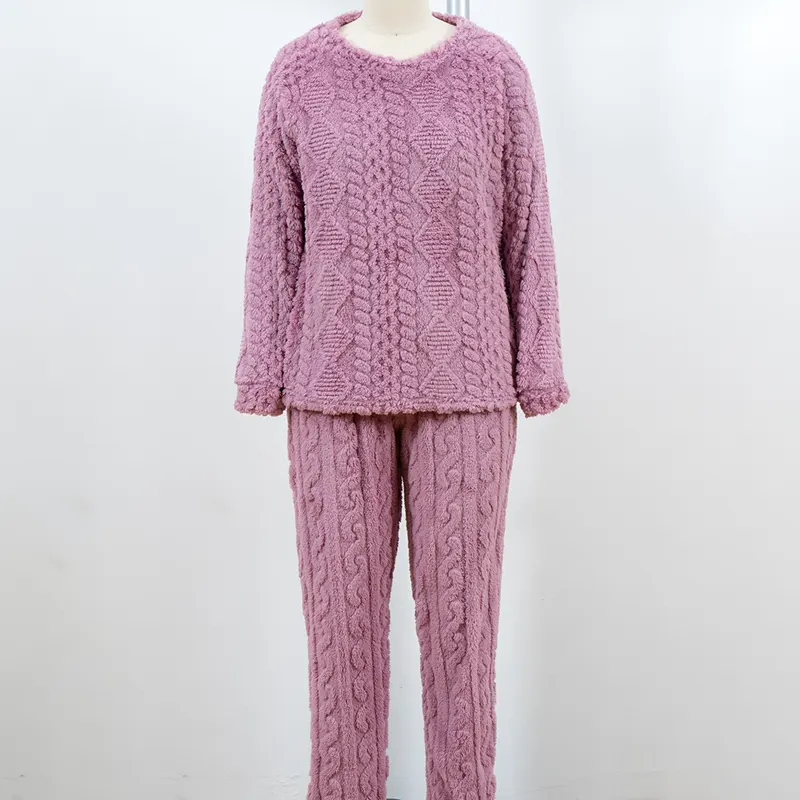
Textured Lounge Set · DB0001
Combines a top and straight-leg pants with a raised cable-pattern surface. The shared texture makes the complete outfit easy to recognize, providing a central lounge or casual concept for your range.
View Product Details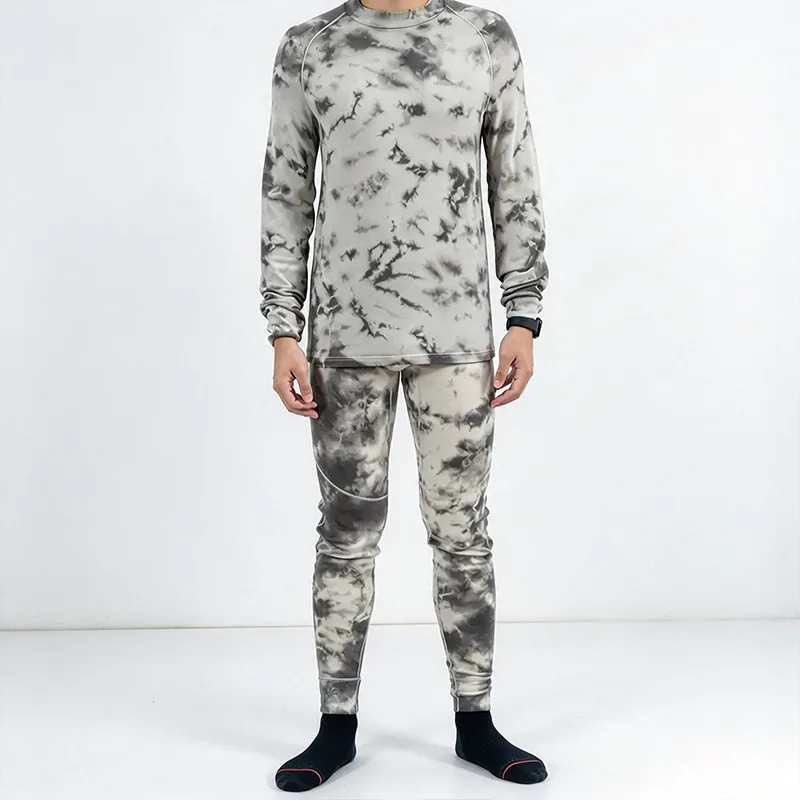
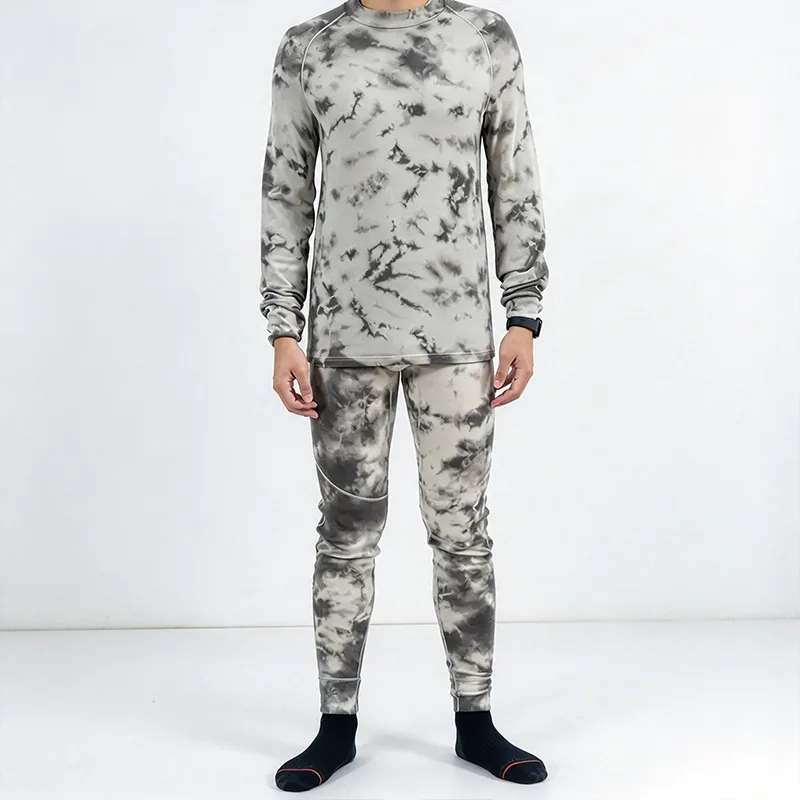
Thermal Base Layer Set · DB0058
Pairs a long-sleeve top with close-fitting leggings and contoured leg panels. Its commercial role is a coordinated underlayer direction, with thermal performance as a key development target.
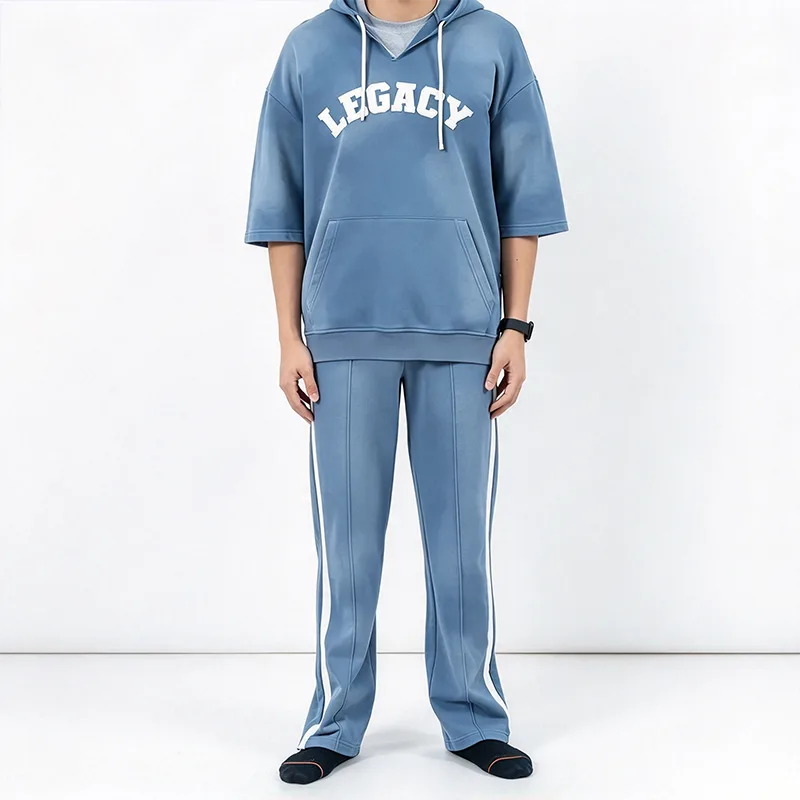
View Product DetailsOther combinations may connect a shirt with shorts or a hoodie with pants. Their value should come from a useful wearing relationship, not merely putting two available products into the same package. The range plan should identify what remains consistent across the set and what each garment must do independently.
How Should Development Work Be Allocated Between the Pieces?
Treat the set as one commercial product with separately defined garments. Both pieces need their own pattern, measurements, and construction details, while shared choices such as color, material, or branding can be coordinated.
Identify any component that determines the rest of the project. A distinctive textured fabric may lead both garments; a particular top silhouette may determine the relationship to the bottom. Resolve that dependency early, then develop the other piece with enough attention to its own wearing needs.
Make the approval scope explicit. A sample of the top does not show how the trousers fit, and approval of one color on one material does not describe every component. Reviewing the pair together is useful, but the approved records should still show what has been agreed for each garment.
What Should Be Included in the Packing and Quantity Plan?
List the contents of each sellable item and how those contents will be identified. For a fixed set, specify which top and bottom belong together. For mixed-size or separate-piece orders, provide an unambiguous component breakdown.
Include quantity by color and size, the required labels or hangtags, and whether the pieces should be packed together. If there are extra tops or bottoms beyond the number of complete sets, identify them as separate order lines. This prevents the overall set quantity from concealing a different component requirement.
Packaging decisions should also reflect presentation. A buyer may want both garments visible together, or a compact folded arrangement showing the shared material. Provide the intended result and any size or handling constraints for evaluation before the final packing instructions are agreed.
Dongbang Coordination for Multi-Piece Orders
Dongbang develops packaging to buyer requirements, subject to product and order review. For sets, that support is relevant to identifying the correct components and presenting them as the intended retail item.
Fabric and related processes can be coordinated through long-term partner suppliers when required. A shared material direction can therefore be considered alongside the development of the individual pieces, with separate construction requirements retained for the top and bottom.
The project can start from complete specifications or from a coordinated product concept for review. A clear set definition helps connect that design work with the eventual quantity and packing plan.
Frequently Asked Questions
- How should the standard MOQ be interpreted for a set?
- The general reference is 500 pieces per style. The counting basis for a multi-piece set and any lower-quantity proposal must be confirmed for the specific inquiry.
- Are samples normally charged for set development?
- Sample charges normally apply and may be credited against a bulk order depending on the arrangement. Confirm the sample scope for both garments when discussing the project.
- Can a retail identifier be placed on both the set package and its components?
- Provide the identifiers and proposed locations with the packing brief. Their relationship should follow the buyer's product records and be agreed during packaging review.
Tell Dongbang what constitutes one sellable set and provide the proposed component, size, and quantity breakdown for an order-structure review.
Contact Us for Inquiry