

Our Service
We support overseas buyers from initial product review through sampling, production and shipment follow-up. A project can start with a Tech Pack, specification sheet, reference image or physical sample. Commercial terms, MOQ, sample timing, bulk lead time and testing requirements are confirmed for each project before execution.
Pre-sales
Review Tech Packs, reference images or physical samples; discuss feasibility, fabrics, trims, colors, printing, embroidery, MOQ, pricing basis and lead time.
During-order
Coordinate sampling and revisions, confirm materials and artwork, follow the production schedule, perform order-specific inspections, and confirm packing requirements.
After-sales
Provide shipping documents and order records, collect feedback, and investigate quality or quantity issues using photos, inspection evidence and order data. Solutions follow the agreed contract and order terms.
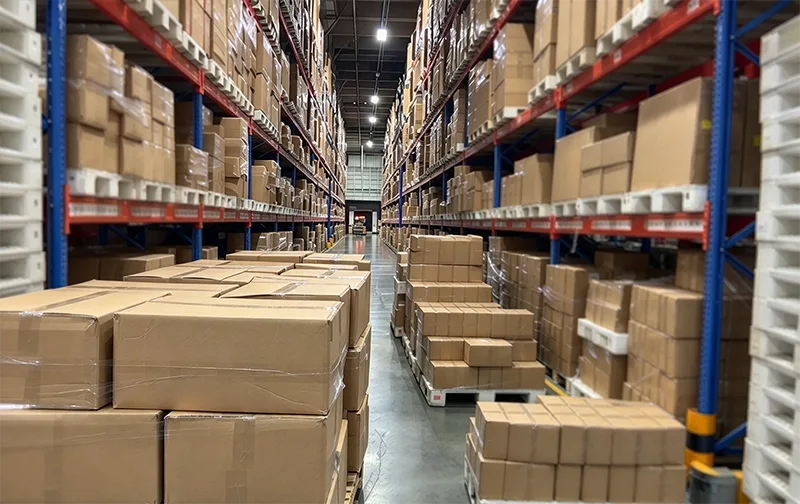
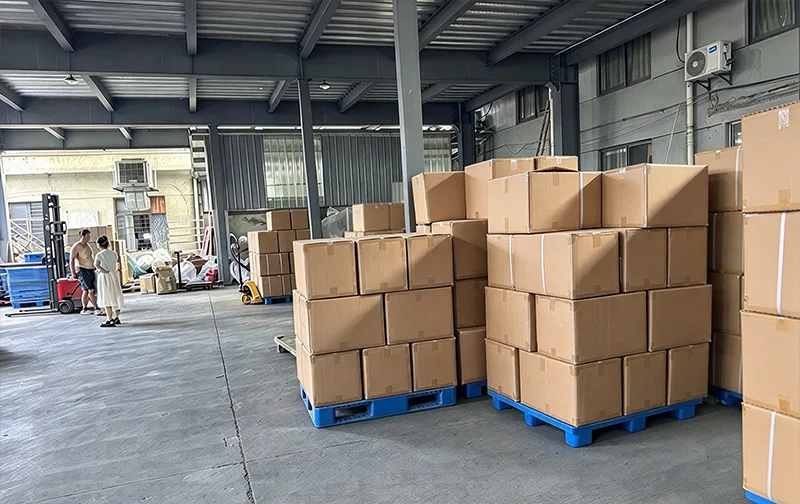
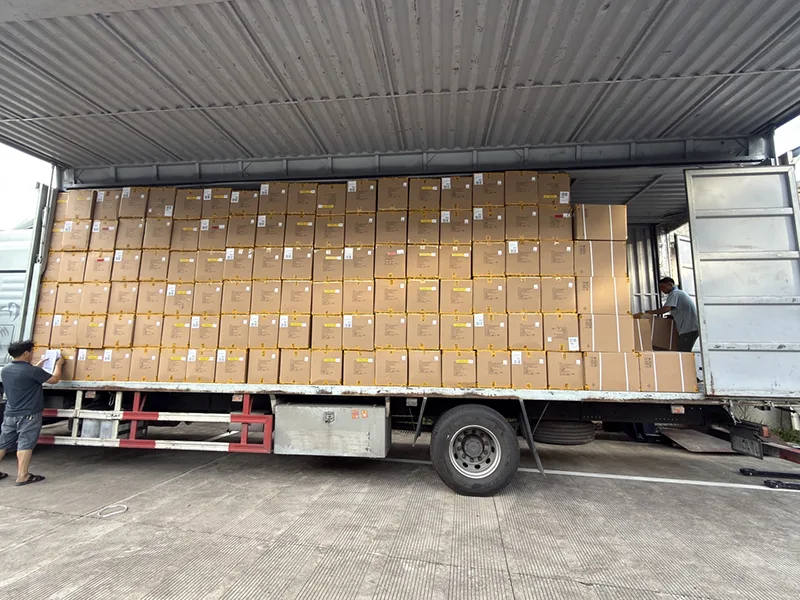
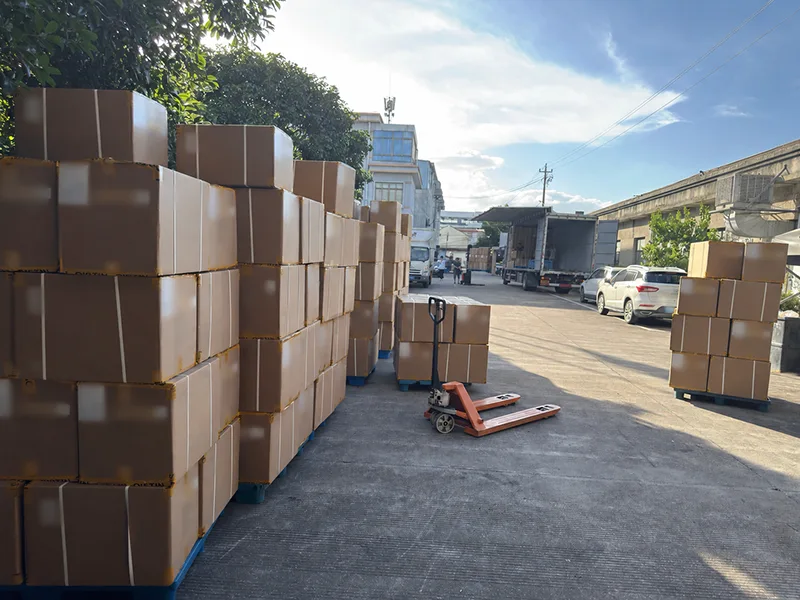
To begin, please send the product category, Tech Pack or reference, target quantity, size range, colorways, fabric requirements, decoration details, destination country and requested delivery date.
Inquiry response time: We will reply as soon as possible to inquiries received on business days; routine inquiries are usually answered within 24 hours.
Product evaluation time: After receiving a complete Tech Pack, reference images or sample information, we usually complete the preliminary evaluation within 1-3 business days.
Sample development time: After the style details, measurements, fabrics and trims have been confirmed, sample development usually takes approximately 7-15 business days.
If a sample requires revision, we will adjust the pattern, measurements, fabrics, trims or workmanship according to your feedback and produce a revised sample for further approval. Minor revisions are usually faster; major fit adjustments, fabric redevelopment or replacement of special trims may require additional time. We will advise the estimated timing for the revised sample after receiving and confirming the revision comments.
Sample revision time: The revision timeline depends on the requested changes, whether fabrics or trims need to be repurchased, and the scope of process adjustments.
Bulk production lead time: For standard orders, bulk production of up to 10,000 pieces usually takes approximately 15-30 days; orders of around 100,000 pieces can usually be completed in approximately 30 days. The actual production timeline will vary according to the style, process complexity, material readiness and overall production difficulty. We will provide the final production timeline after the product details have been confirmed and the pre-production sample has been approved.
Minimum order quantity (MOQ): Our standard MOQ starts from 500 pieces per style. Lower quantities may be accepted depending on the specific product, but the unit price will be adjusted accordingly. The final MOQ and price are determined according to the style, number of colors, size range, fabrics, trims and overall production complexity. The quantity allocation by color and size can be negotiated based on the order.
Number of styles developed per year: 100+ styles
Annual production output value: approximately RMB 65 million
Quality inspection standard: Inspections are performed according to the customer's approved measurement chart, workmanship requirements, color standards, packing requirements and order-specific quality standards.
Shipment inspection rate: 100%
Turnaround time for repairs and replenishment: After receiving photos, quantity records or inspection reports from the customer, we first verify the cause of the issue and then discuss repairs, replenishment or other solutions in accordance with the order terms. The specific response and handling time is to be confirmed.
On-time order delivery rate:100%
Quality Inspection Process
Dongbang Garment has established an end-to-end quality-management system covering raw materials, production processes, finished-garment inspection and pre-shipment review. Based on customer requirements and international apparel sourcing standards, the company applies quality controls at multiple stages for every production batch to maintain consistency in quality, measurements, workmanship and delivery, providing reliable OEM/ODM manufacturing services to overseas brands, wholesalers and private label customers.
- Fabric and Trim Inspection
- In-Process Inspection
- Finished-Garment Quality Inspection
- Pre-Shipment Review and Packing
Fabric and Trim Inspection
Before production begins, all fabrics and trims must undergo strict incoming inspection. The quality team checks fabric composition, weight (GSM), color consistency, shrinkage, color fastness, surface defects and dimensional stability to ensure that raw materials meet product-development and bulk-production requirements.
Incoming Fabric Inspection
At least 10% of each fabric batch is sampled for inspection. In principle, 100% fabric inspection is performed for high-risk fabrics or fabrics supplied by new vendors. The main checks cover fabric color, dye-lot number, GSM, width and surface defects, preventing problematic fabrics from entering bulk production.
2 Color-Fastness Standards
• Color change after washing: Grade 4 or above
• Color staining after washing: Grade 3-4 or above
• Color fastness to dry rubbing: Grade 4 or above
• Color fastness to wet rubbing: Grade 3 or above
• Color change to perspiration: Grade 4 or above
• Color staining to perspiration: Grade 3-4 or above
For dark-colored fabrics, sulfur-dyed fabrics, pigment-dyed fabrics and washed or distressed products, the applicable special color-fastness standards should be confirmed by the customer.
3 Pilling Test
Standard sweatshirt fabrics are recommended to achieve Grade 3-4 or above; products with higher pilling-performance requirements are recommended to achieve Grade 4 or above.
This test mainly applies to knitted fabrics, fleece products, sweaters and other products prone to pilling.
In-Process Inspection
Step 1 First-Piece Approval
Before formal bulk production begins, the first piece for each style and each production line must be inspected and approved.
The first-piece inspection must cover at least the following items:
• Whether the fabric, trims, color and dye-lot number are correct
• Whether the garment construction, seam type, stitch density and thread color meet requirements
• Whether the position and dimensions of printing, embroidery and appliques are correct
• Whether key measurements are within the permitted tolerances
• Whether zippers, drawcords, buttons, fasteners and labels are correct
• Whether garment workmanship meets the approved-sample standard
Bulk production must not formally begin until the first piece has been signed off and approved.
Step 2 In-Process Patrol Inspection
During bulk production, QC personnel or the relevant person in charge inspect each production stage to identify deviations in measurements, workmanship and processes in a timely manner.
Patrol inspections focus on sewing quality, measurement changes, printing and embroidery placement, color differences, the use of fabrics and trims, and whether all accessories are correct.
When an issue is identified, production personnel must be notified promptly so that adjustments can be made and the same issue does not recur throughout the batch.
Step 3 End-of-Line and Finished-Garment Inspection
In principle, garment appearance and workmanship are subject to 100% inspection.
Measurements are sampled by color, size and production batch. Finished-garment inspection includes:
• Stains and oil marks
• Loose or excess threads
• Holes or fabric defects
• Color variation and dye-lot variation
• Garment measurements
• Zippers, drawcords, buttons and other accessories
• Main labels, care labels, size labels and hangtags
• The appearance of printing, embroidery and appliques
• Packing method and carton-packing requirements
Step 4 Segregation and Rework of Nonconforming Products
Nonconforming products identified during inspection must be segregated and must not be mixed with conforming products.
Reworked products must be reinspected after corrective work is completed. They may proceed to packing or shipment only after they have been confirmed as conforming, and the corresponding rework records must be retained.
Step 5 Final Pre-Shipment Inspection
After bulk production and packing have been completed, final random inspection is conducted according to the customer's requirements or the agreed AQL standard.
The final inspection must verify product quantity, style, color, size ratio, appearance and workmanship, measurements, labels, packing and carton information. Shipment may be arranged only after the inspection results meet requirements.
Finished-Garment Quality Inspection
After garment production is completed, the company applies the AQL 2.5 / AQL 4.0 sampling standards according to customer requirements and conducts a final quality inspection of the finished products.
The QC team focuses on garment appearance, measurements and specifications, sewing quality, trim attachment, printing and embroidery results, and product-packing information to ensure that finished products meet the sourcing requirements of brand customers and overseas markets.
Each production batch must pass the complete finished-garment inspection process before proceeding to packing and shipment, preventing measurement deviations, workmanship issues or appearance defects from affecting customer use.
1 Seam Strength and Tensile Test
Seam tensile checks are performed on shoulder seams, armholes, side seams, crotch seams, waistbands, pockets and other principal stress points. The factory carries out preliminary checks using tensile equipment or by stretching the garment to determine whether there is thread breakage, seam bursting, significant seam slippage or fabric tearing.
Specific acceptance values are determined according to the product type, fabric construction, GSM, seam location and the customer's Tech Pack. When the customer has not specified a standard, an internal control value for the style should be established through pre-production sample testing.
2 Print Wash-Durability Test
Standard development samples are recommended to undergo at least five home-laundering tests; sales samples, display samples or key products are recommended to undergo ten laundering tests.
The company currently applies 100% incoming-inspection management to production fabrics, covering eight principal inspection items such as fabric-composition verification, GSM testing, color-variation control, shrinkage testing and appearance inspection. This reduces quality risks in bulk production at the source and helps maintain stability in subsequent processing.
3 Embroidery and Applique Wash-Durability Test
Products with embroidery or appliques are recommended to complete at least five laundering tests.
After laundering, there must be no obvious loose threads, lifting edges, delamination or severe wrinkling, and the position and appearance of the embroidery and appliques must remain stable.
4 AQL Final Inspection Standard
Unless otherwise required by the customer, final inspection is recommended to follow ISO 2859-1, General Inspection Level II, with the following AQL standards:
• Critical defects: AQL 0
• Major defects: AQL 2.5
• Minor defects: AQL 4.0
The specific sample size and allowed number of defects should be determined according to the order quantity and the AQL sampling table.
Pre-Shipment Review and Packing
After production is completed, the company conducts a final pre-shipment review, verifying the style, color, quantities by size, label information and order requirements item by item to ensure that the delivered products are consistent with the standards approved by the customer.
Metal and Broken-Needle Control
Metal foreign matter or broken needles are not permitted in garments or packing. If a needle breaks, production at the relevant workstation must stop; all broken needle parts must be located and verified, and production may resume only after the incident has been recorded and reviewed. The table currently states only that 'metal and broken needles are not permitted'; the detailed handling procedure still needs to be confirmed.
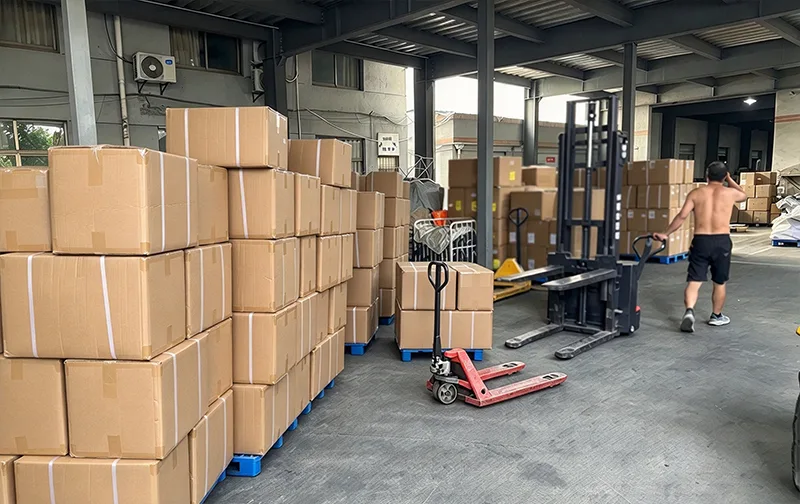
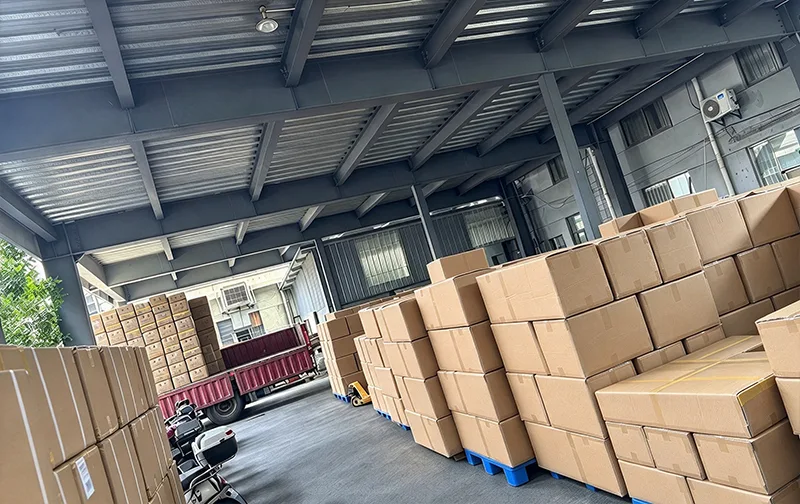
After passing final quality inspection, the garments enter the standardized packing process. Depending on customer requirements, products may be individually folded, packed separately in OPP bags or packed using customized methods, and are sorted into cartons by style, size and color.
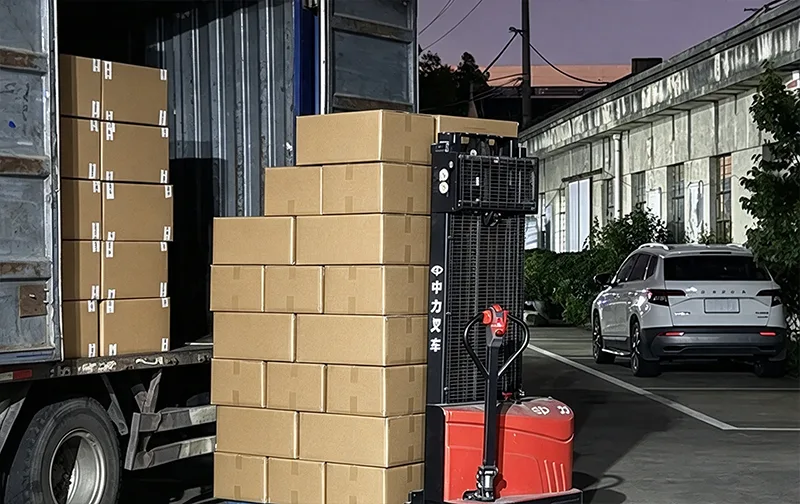
During packing, the company verifies outer-carton markings, carton quantities, shipping-mark information and transportation requirements to ensure that products remain in good condition during transit. Quantities and order documents are also checked again before shipment to ensure the accurate delivery of every batch.
The company currently maintains a 100% on-time order delivery rate through its standardized shipment-management process, providing stable and efficient garment-supply services to customers worldwide.