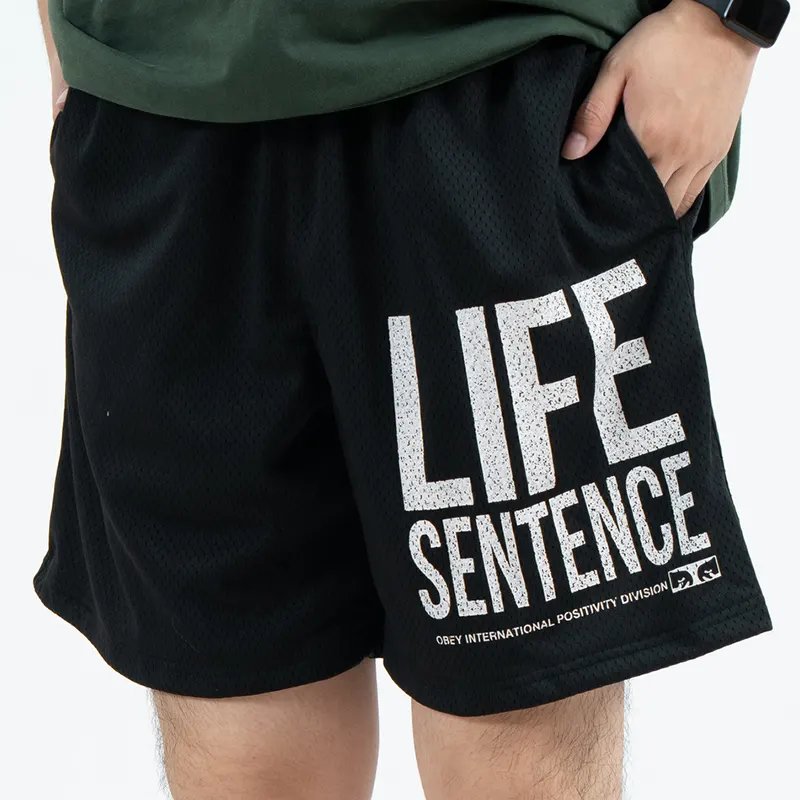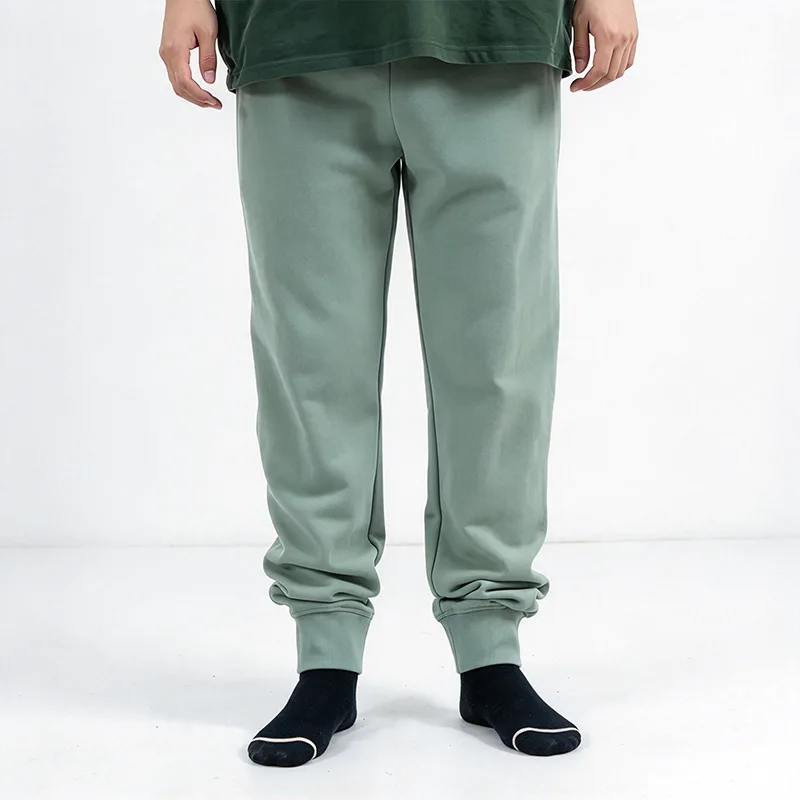
Plan a custom Pants range with Dongbang around the roles different bottoms will serve. Casual sweatpants, joggers, shorts and shell-oriented directions can broaden a collection when their purposes are clear. Ningbo Dongbang Garment Co., Ltd. supports buyers in defining the product mix, development priorities and order information before individual styles move into detailed fit work.
Which product roles should the bottoms range cover?
Assign each style a reason to be included, such as a relaxed everyday option, a controlled ankle silhouette, a warm-weather piece or a more detailed outdoor direction. This gives the assortment a useful structure and helps the buyer decide where variety adds value.
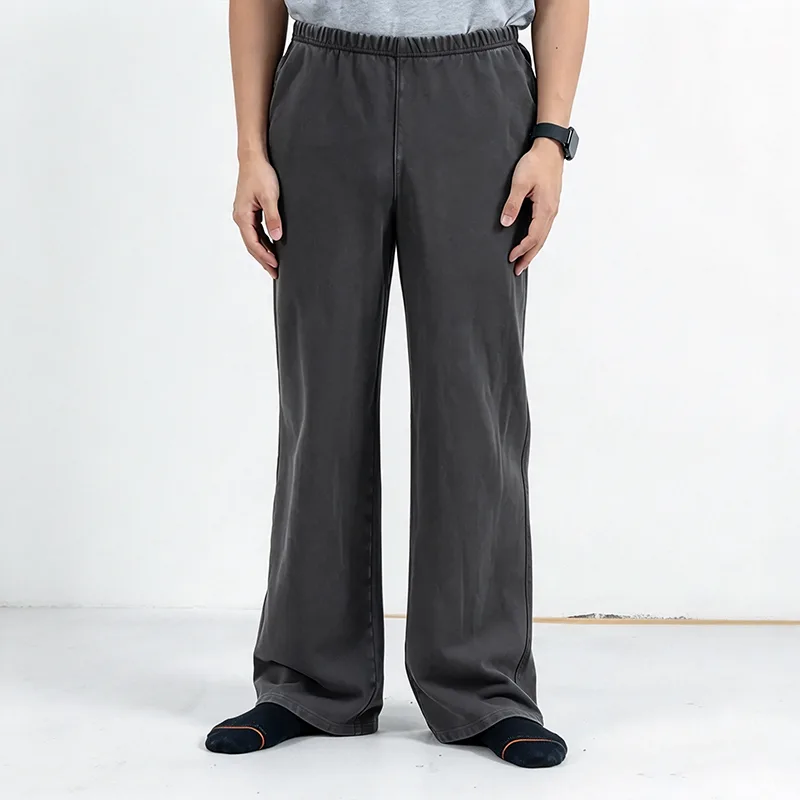
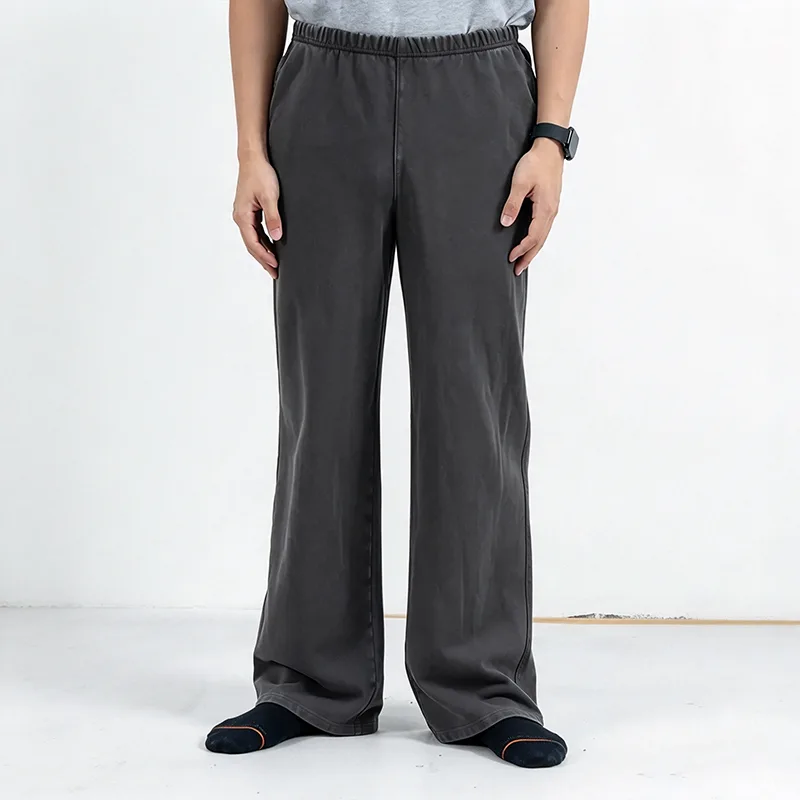
Wide-Leg Sweatpants · DB0065
Offer a charcoal relaxed silhouette with faded-looking seams. Their role is led by leg volume, drape and surface appearance. They can establish the casual side of a collection, with a development brief focused on the broad line and the desired finish rather than a large number of functional components.
View Details →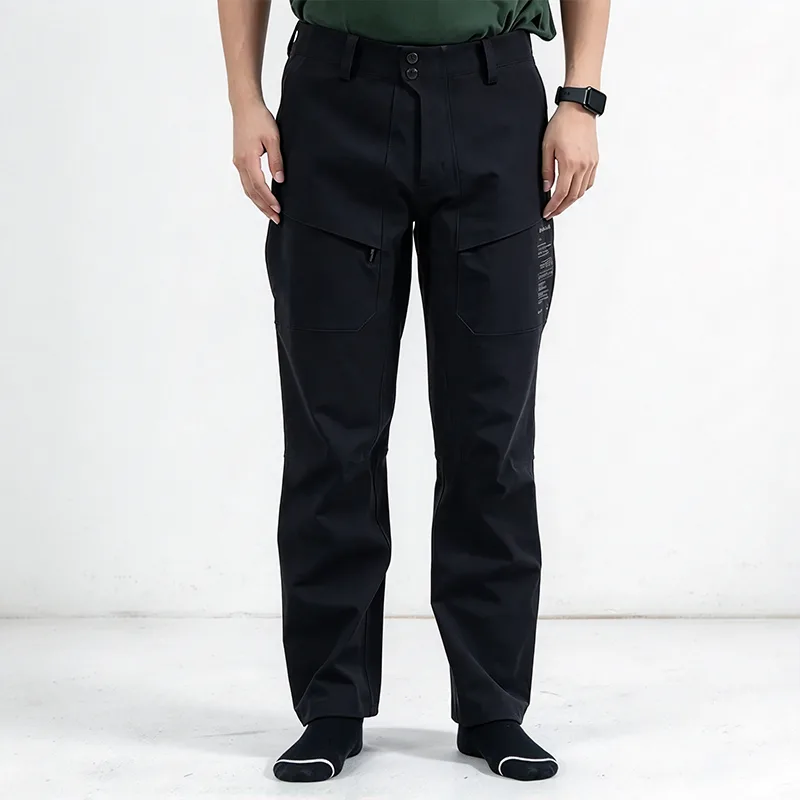
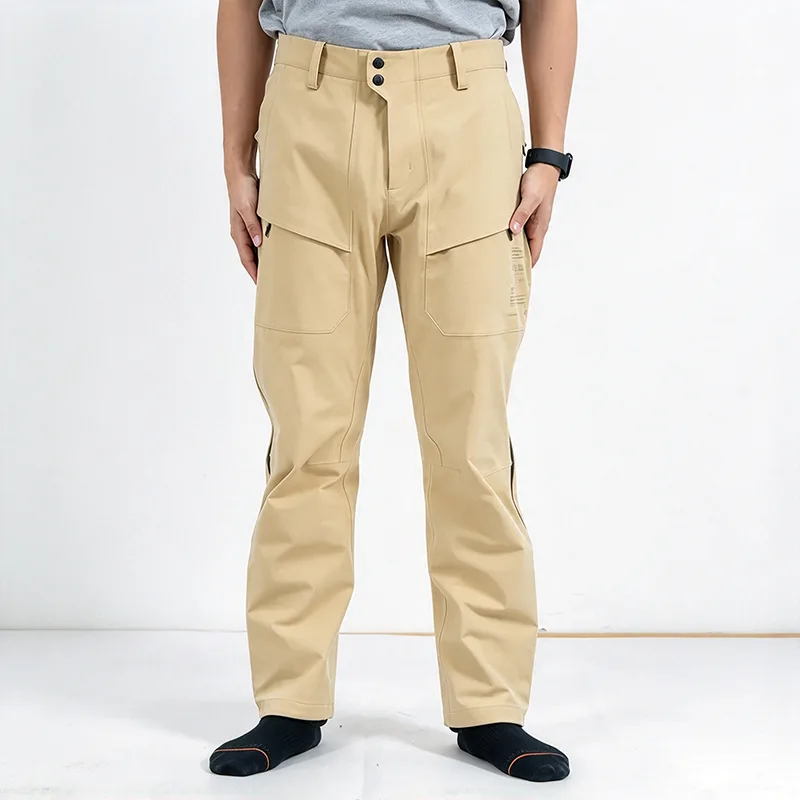
Waterproof Hardshell Cargo Pants · DB0059
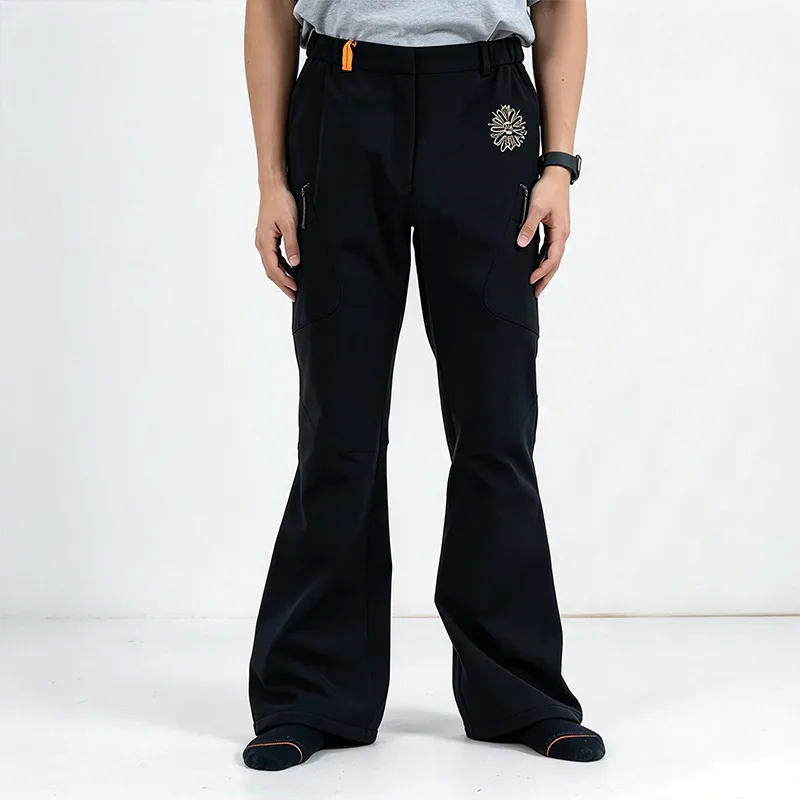
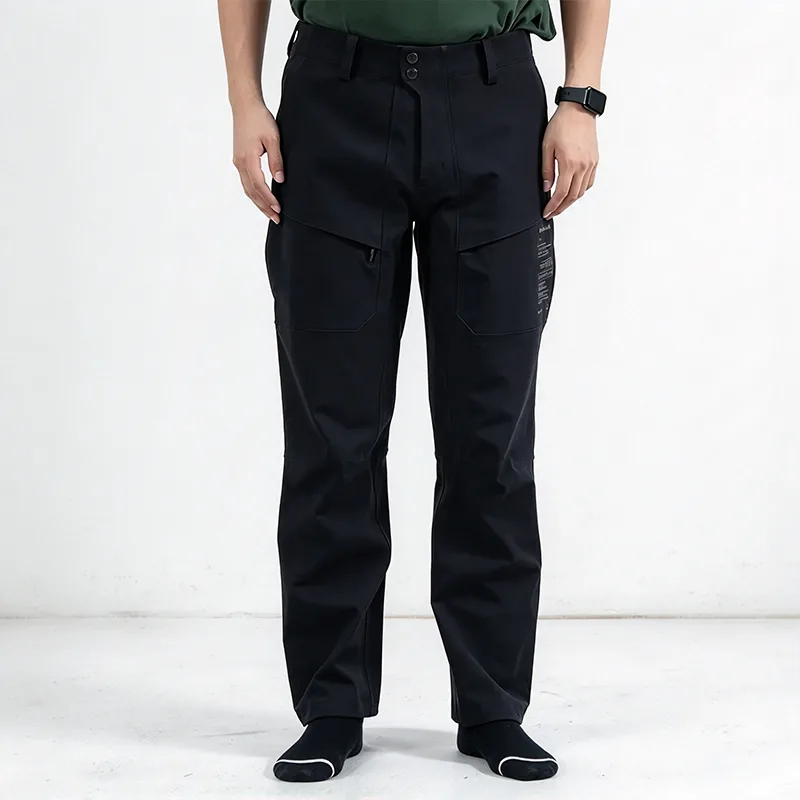
Provide a contrasting direction through cargo pockets and long side zips on a black shell-oriented body. They introduce a more detailed product role, where intended contents, access and wearing conditions influence development. Waterproof performance is a target requiring defined materials, construction and evaluation.
View Details →The range may also include joggers or shorts when they answer a different wearing need. The buyer should be able to explain the role of each addition without relying only on a change of color or a small trim difference.
How can the assortment offer choice without unnecessary overlap?
Compare the products across the same commercial decisions. Two styles may look different in isolation yet compete for the same place in a range. Their intended use, material character and relationship to existing tops should make the difference clear.
| Range role | Useful point of difference | Avoid duplicating without a reason |
|---|---|---|
| Relaxed casual bottom | Width, drape and surface character | Several similar loose silhouettes with no distinct role |
| Jogger direction | Taper and a more controlled ankle shape | A cuff change that does not serve a new wearing need |
| Shorts | Less leg coverage and a different seasonal position | A shortened trouser with no review of its intended use |
| Detailed shell or cargo direction | Pocket system and defined functional goals | Extra components with no clear purpose |
Decide which styles are essential to the launch and which are extensions. The first group should establish the range's fit identity and visual position. Optional pieces can then be assessed against what is already present instead of developed simply to increase the number of products.
Which resources can be coordinated across several pants styles?
Look for practical commonality in colors, branding, selected trims and suitable material families. These may connect the range and simplify its specification, provided they do not force unsuitable construction onto individual styles.
A casual sweatpant and a shell-oriented cargo style are unlikely to need identical material or finishing decisions. Their development should therefore remain separate even if a logo or palette is shared. Within a closer family of casual bottoms, common fabric or trim directions can be reviewed as options rather than assumed savings.
Colorways also need a commercial purpose. Identify where a shared neutral supports coordination with tops and where a distinctive shade belongs to a particular style. This keeps the quantity plan understandable and gives the buyer a reason for each style-color combination.
How should the program be prepared for quotation and development?
Provide a style-by-style brief within a clear overall range plan. Each entry should identify the reference, quantity, colors, sizes, material direction, principal design details and intended use. Show any components or materials proposed for sharing across the order.
Prioritize unresolved choices that could change the product: a material family, a finishing route or a pocket system. Ask for alternative options to be evaluated separately so a quotation can be traced to a defined version. Detailed waist, rise and leg measurements then belong in the development brief for that style.
Include a fixed launch window when relevant. Sampling and production timing depend on the final mix, material readiness, processes and quantities; the range plan should make those dependencies visible from the first inquiry.
Dongbang Support for Bottoms Programs
Dongbang's main garment focus includes sweatpants, joggers and casual apparel, alongside selected outdoor clothing. This scope is relevant to buyers planning a range with both straightforward casual bottoms and more detailed development directions.
The workflow covers pattern and sample development through production and packing. A buyer can approach the project with complete OEM specifications or a development concept for review, while keeping the requirements and approvals of each style clear within the wider program.
Frequently Asked Questions
- Can several styles be developed with different size ranges?
- Yes. Identify the intended sizes for each style and how the labels should relate across the collection. A shared label does not mean the same fit allowance.
- Does one order quantity automatically apply to every color?
- No automatic color allocation should be assumed. Provide the style and color breakdown for evaluation before the order plan is confirmed.
- Can retail packaging differ between casual and technical styles?
- Packaging can be developed to buyer requirements, subject to product and order review. Specify the presentation and information needed for each part of the range.
Send a simple bottoms assortment plan showing each style's role, proposed colors and quantities so Dongbang can review the program as a whole.
Contact Us Now