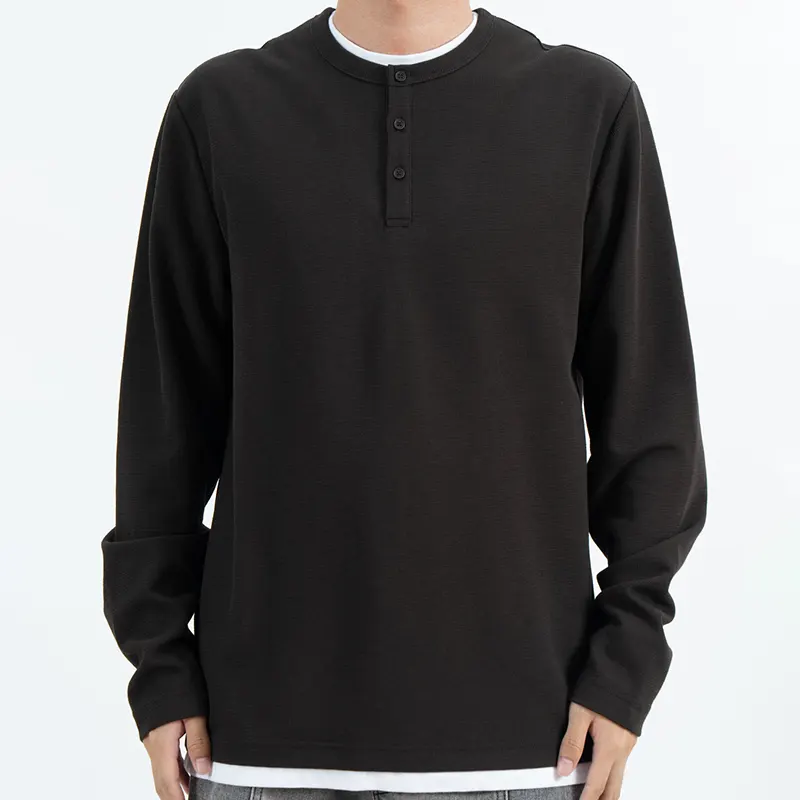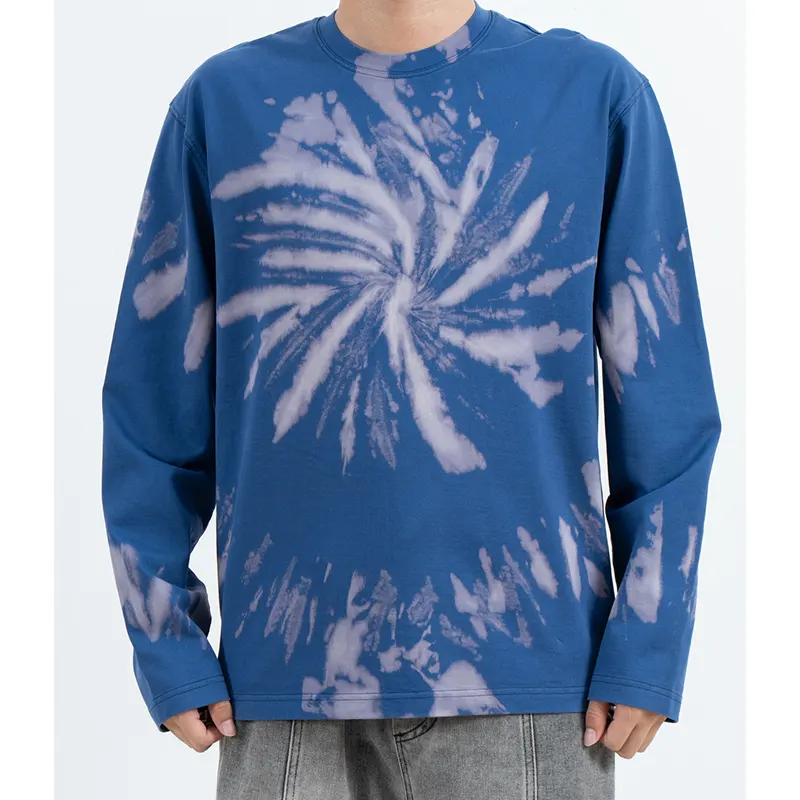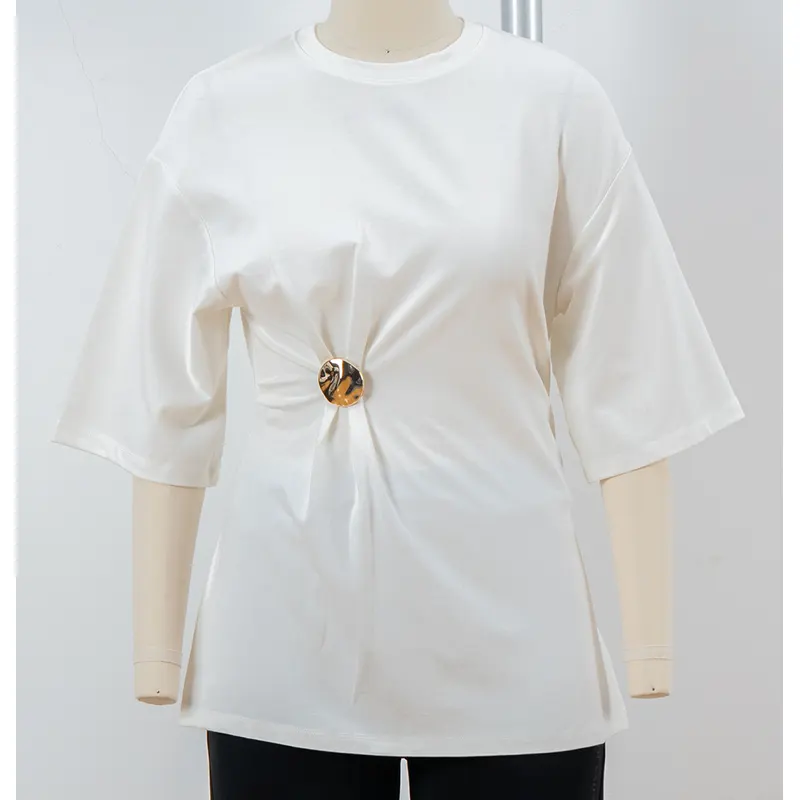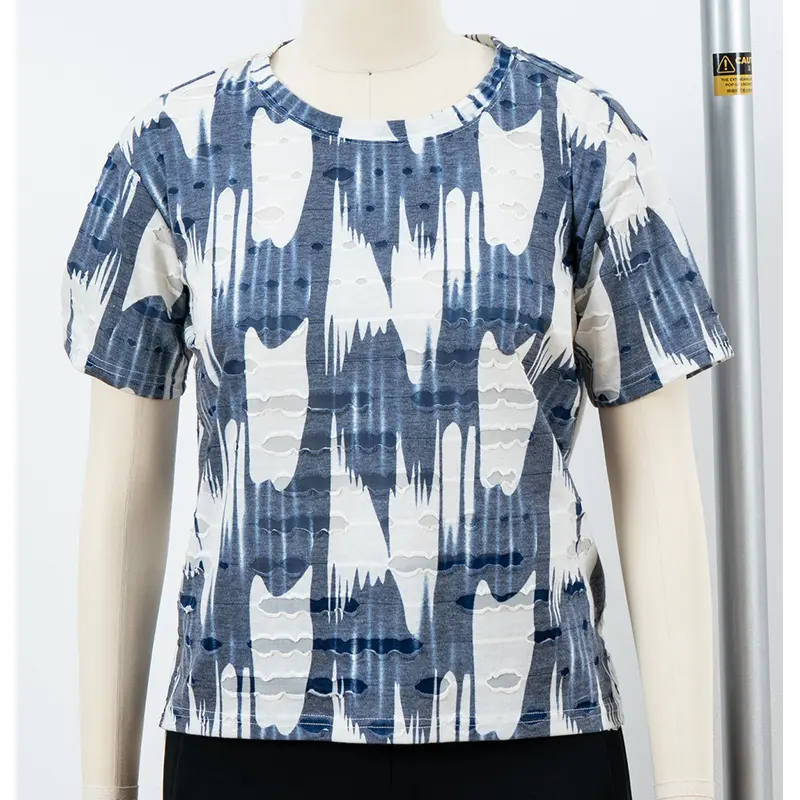
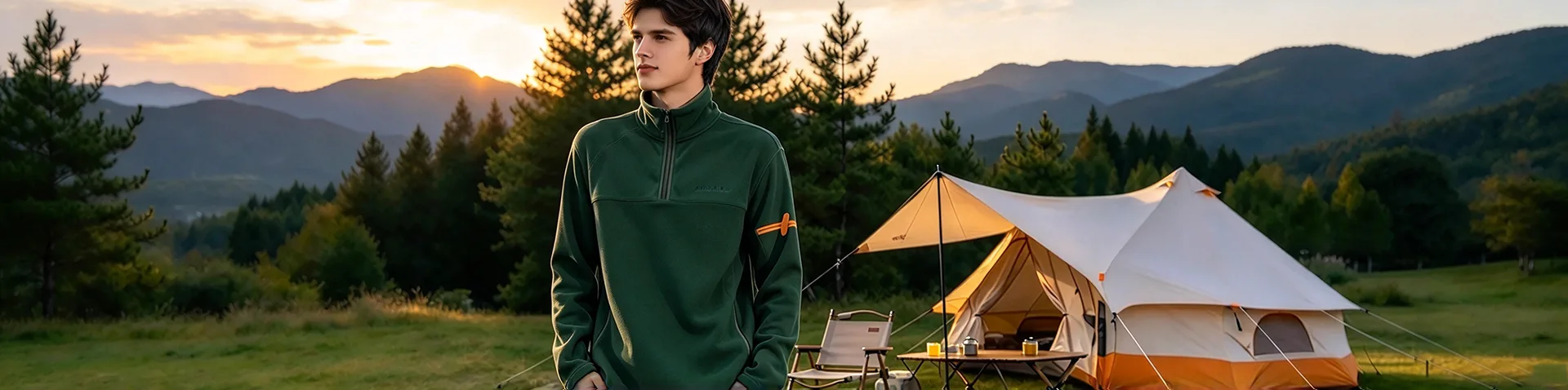
Exceptional activewear is born from a deep understanding of movement and performance. At Dongbang, we approach custom Outdoor and Activewear Tops through an activity-driven design philosophy. Before selecting functional materials, we meticulously analyze how the garment will be worn—evaluating movement dynamics, coverage needs, and layering systems to architect the ideal silhouette. With comprehensive OEM/ODM capabilities, Ningbo Haishu Dongbang Garment Co., Ltd. provides end-to-end solutions. From sourcing high-performance fabrics (moisture-wicking, UPF protection, quick-dry) to rigorous functional testing and panel construction, we bring technical rigor to every project, tailoring jersey, hooded, and paneled designs to meet your exact market requirements.
What should an activity brief explain about the wearer and conditions?
Describe what the wearer will do, where the garment will sit in the clothing system and which conditions it needs to address. A close inner layer, a standalone training top and a light hooded layer can require different patterns even when they use similar colors.
Movement
Dynamic Range
Reaching, repeated arm motion or torso rotation directly inform the sleeve shape, panel position, and required ease of the garment.
Coverage
Targeted Protection
Body areas to cover and preferred sleeve length dictate the neckline, hood presence, and hem proportions for optimal comfort.
Layering
System Integration
Whether another garment sits above or below determines the fit allowance and the necessary bulk at the openings.
Conditions
Environment & Exposure
Climate, exposure, and likely duration of use set the priorities for material sourcing and functional evaluation.
Give these requirements an order of importance. A buyer seeking easy arm movement may accept a different silhouette from one prioritizing a close visual fit. When requirements compete, the sample should help resolve the tradeoff instead of trying to maximize every feature at once.
Which garment shapes can respond to different coverage needs?
Choose the opening, sleeve and panel arrangement that suits the brief. The following references offer distinct starting points; the named functional directions are development targets to be confirmed through material and garment evaluation.
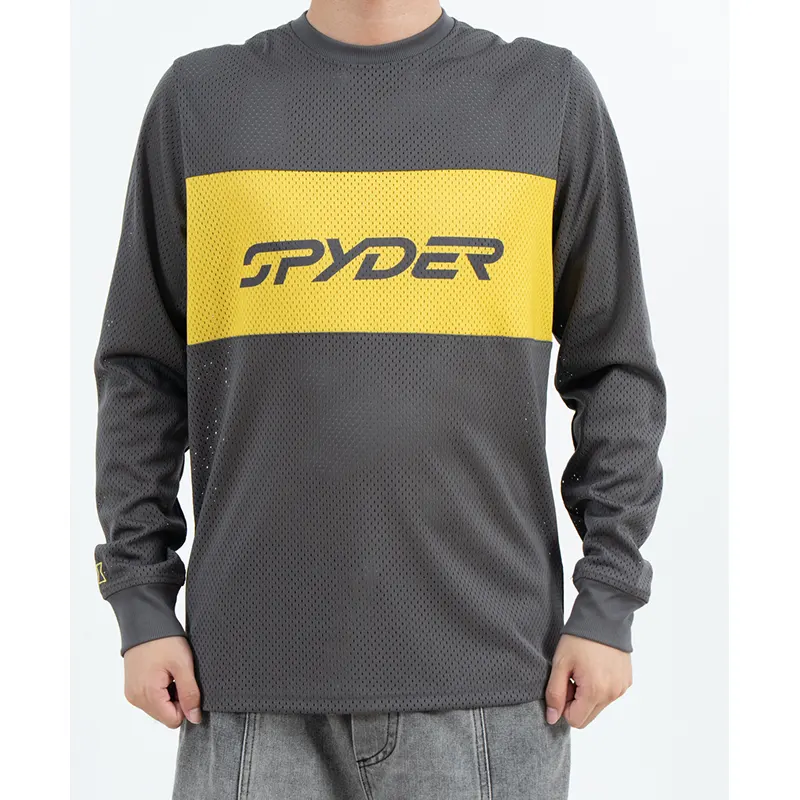
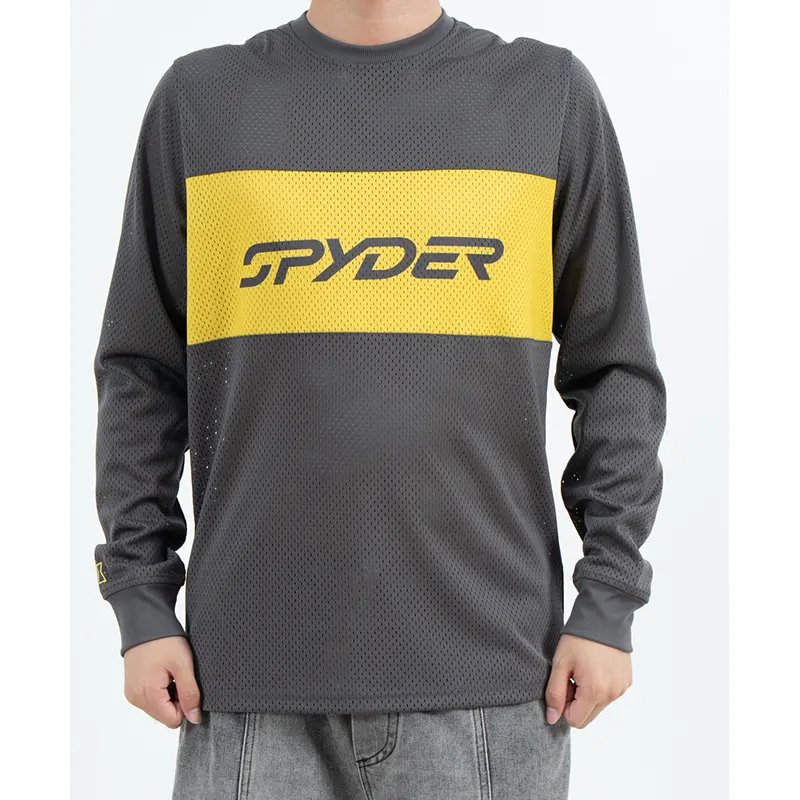
DB0021
Breathable Quick-Dry Long Sleeve Jersey
Has a mesh-like surface and a yellow chest block on a long-sleeve body. It offers a route for a top with greater arm coverage and a strong chest color division.
View Product →
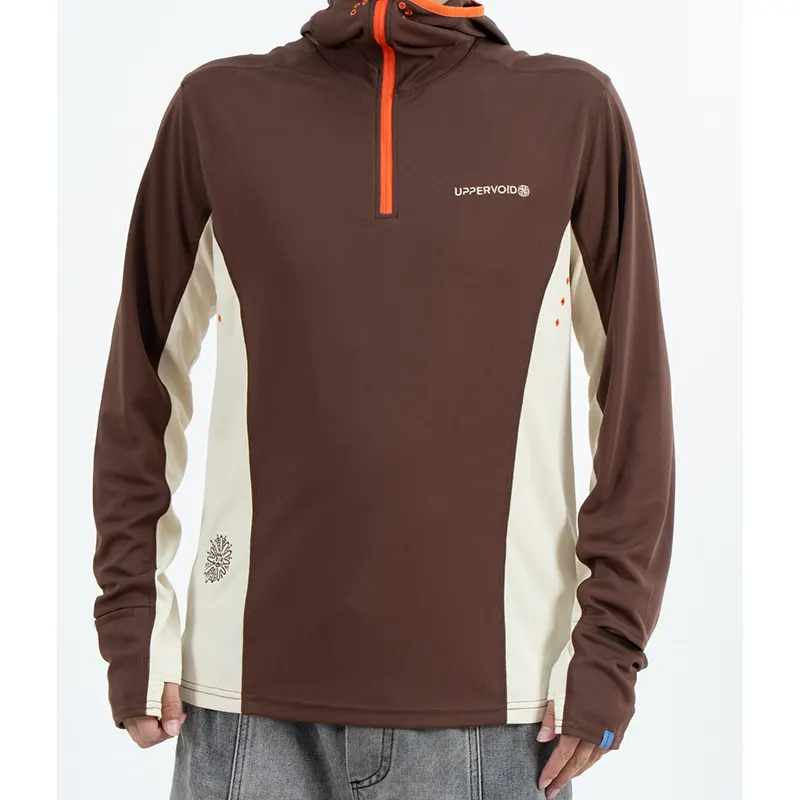
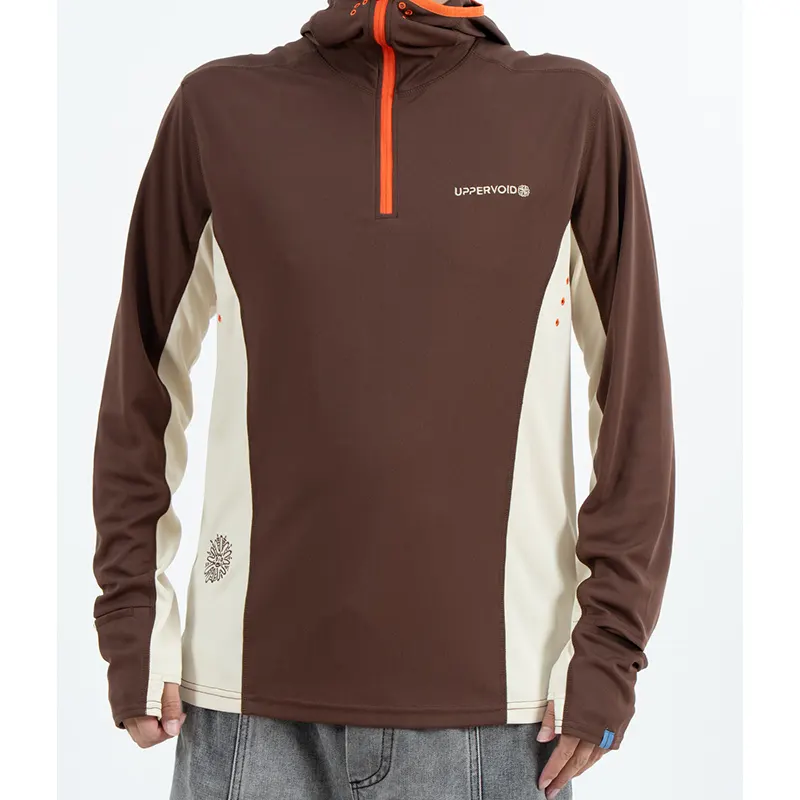
DB0045
Sun-Protective Hooded Top
Combines a quarter zip and hood with cream side panels and orange trim. It provides more adjustable coverage around the head and neck.
View Product →
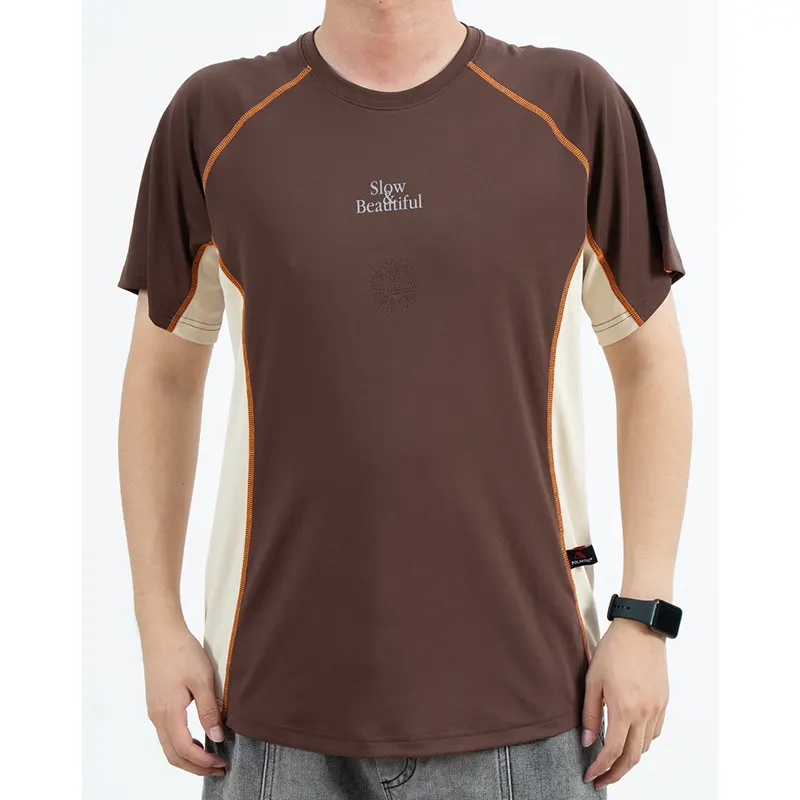
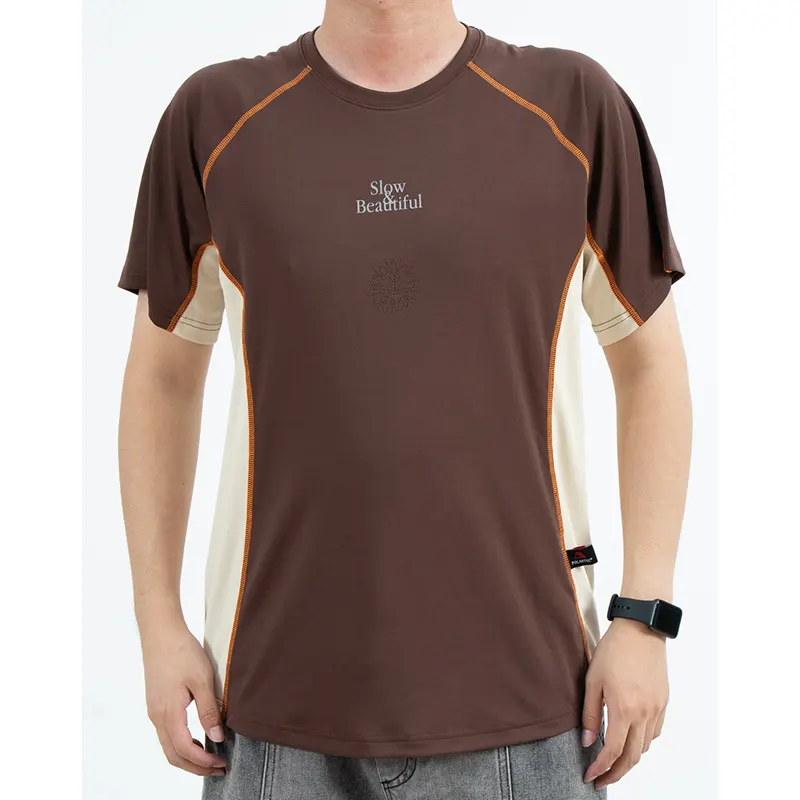
DB0051
Breathable Raglan T-Shirt
Uses a brown base, raglan sleeves, cream side panels and orange seam lines. Its shorter sleeve and contrasting side construction offer a different balance of exposed and covered areas.
View Product →
How should functional goals become a useful specification?
Translate each desired function into a requirement that can be evaluated. Identify the material or garment area, intended conditions, relevant method or acceptance reference and the version being assessed. Terms such as breathable, quick-dry and sun-protective need more definition than an appearance or product name provides.
Prioritize the functions that matter to the actual activity. Material changes made to pursue one target can affect weight, stretch, opacity or the way seams behave. Review those relationships on the complete garment, and keep functional approval distinct from approval of its color and appearance.
If the material or construction changes after a result is established, determine whether the relevant evaluation needs to be repeated. This gives the buyer a consistent basis for the information used on the finished product.
How can movement and coverage be balanced across size or style variations?
Preserve the wearing purpose as the pattern changes. A longer sleeve, a larger hood or a closer body changes how the wearer reaches and turns, so a family of related tops should not rely on one shared fit assumption.
Review forward reach, overhead movement and torso rotation in the sample. Watch whether the hem rises excessively, whether the neckline shifts and whether panel seams sit where the wearer expects. The useful result is enough movement for the activity with a controlled silhouette.
When introducing a contrasting material, compare stretch and recovery as well as surface appearance. A side panel that behaves differently from the main body can change the fit even when its dimensions remain the same. Define the approved combination for each version before extending it into the size range.
Functional Development Coordination at Dongbang
Dongbang supports pattern and sample development and can arrange third-party inspection or testing when required. These capabilities give the buyer a route to review the garment's movement and arrange evaluation of the agreed functional requirements.
Fabric and specialist processes may be coordinated through long-term partner suppliers. The selected material, evaluation scope and acceptance criteria should remain tied to the specific order, so a general capability is translated into a defined development project.
Frequently Asked Questions
- Can reflective details be considered?
- They can be reviewed as development options, subject to material, placement and process compatibility. Any required visibility performance should be specified separately.
- Can a long sleeve include a thumb opening?
- It may be developed if the sleeve length, cuff construction and intended activity suit it. Review comfort and tension with the hand in and out of the opening.
- Can a lightweight storage pocket be added?
- It can be considered, but its location and intended contents should be defined. Check whether the loaded pocket affects movement, drape or the planned fit.
- Can you handle UPF or moisture-wicking testing for functional fabrics?
- Yes, we can arrange third-party testing for UPF (sun protection) and moisture-wicking performance according to your target market's standards (e.g., AATCC or AS/NZS). We will confirm the testing scope before sampling.
- What are the custom printing options for activewear?
- We offer screen printing, digital printing, sublimation, heat transfer, and silicone printing. The choice depends on the fabric composition, design complexity, and the desired stretchability of the final print.
- What is your MOQ for activewear tops?
- Our standard MOQ is typically 500 pieces per style/color. However, for new developments or initial trial orders, we can discuss lower quantities depending on the fabric availability and construction.
Describe the activity, wearing layers and the functions that matter most, and use that brief to begin a focused development discussion with Dongbang.
Start Your Activewear Project