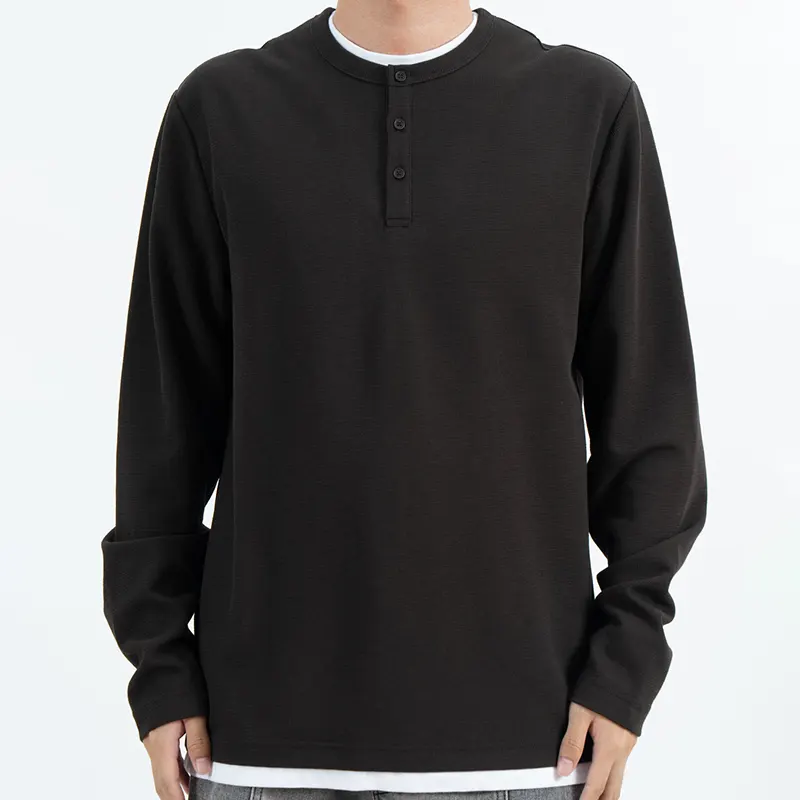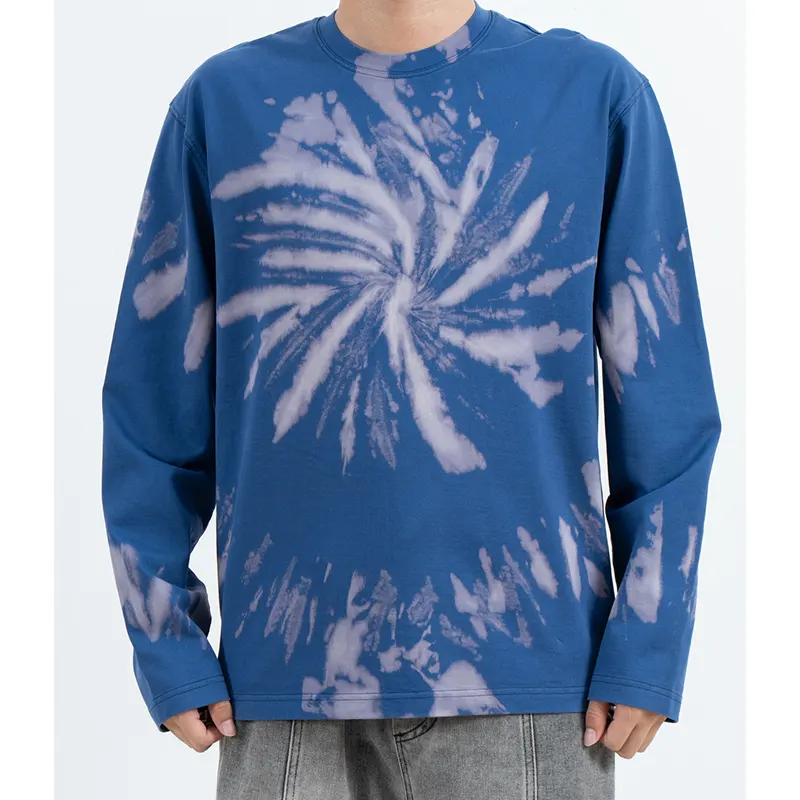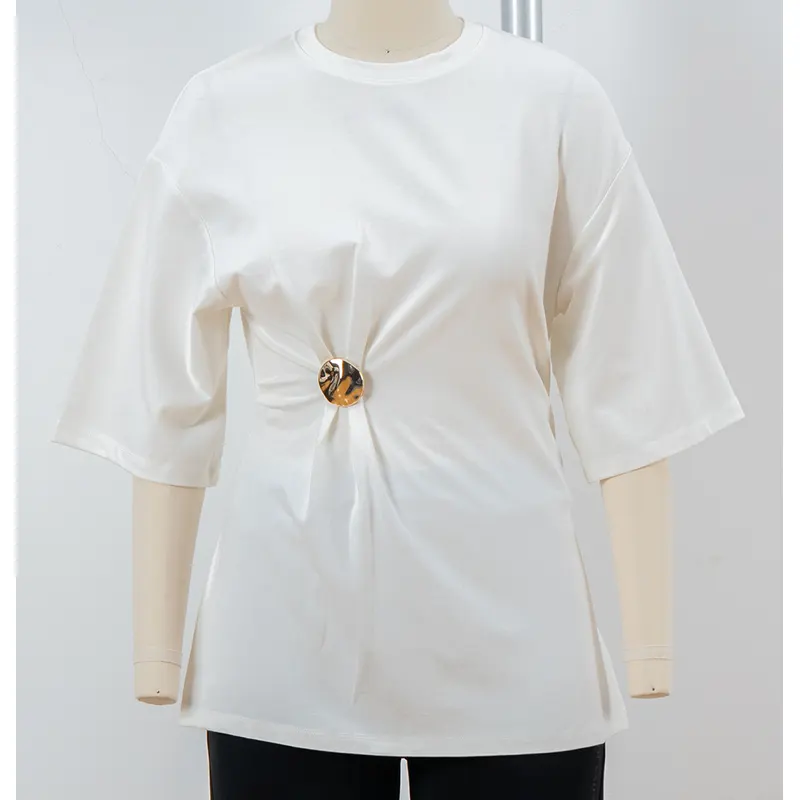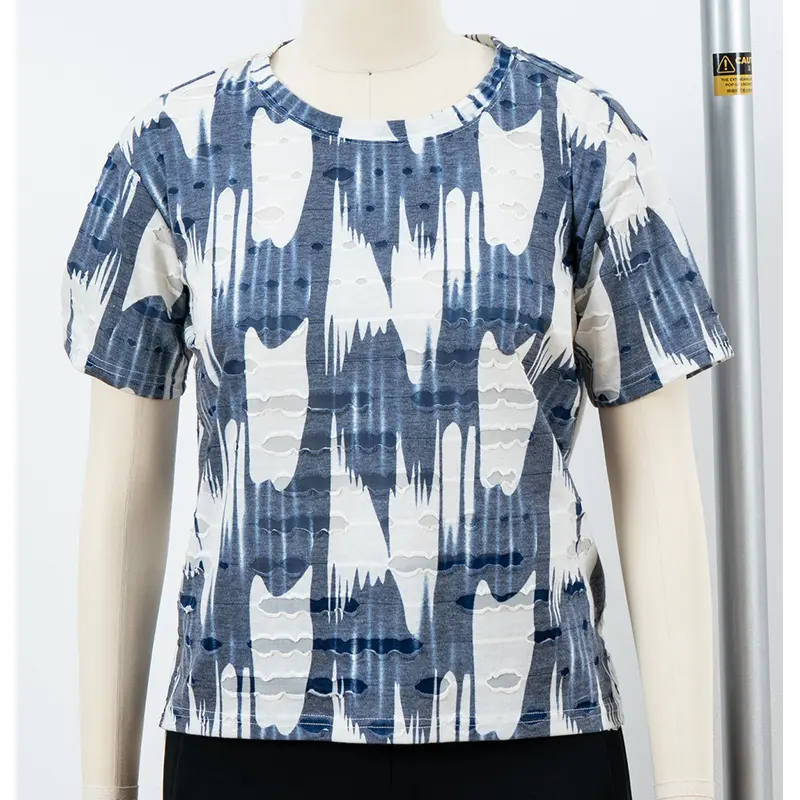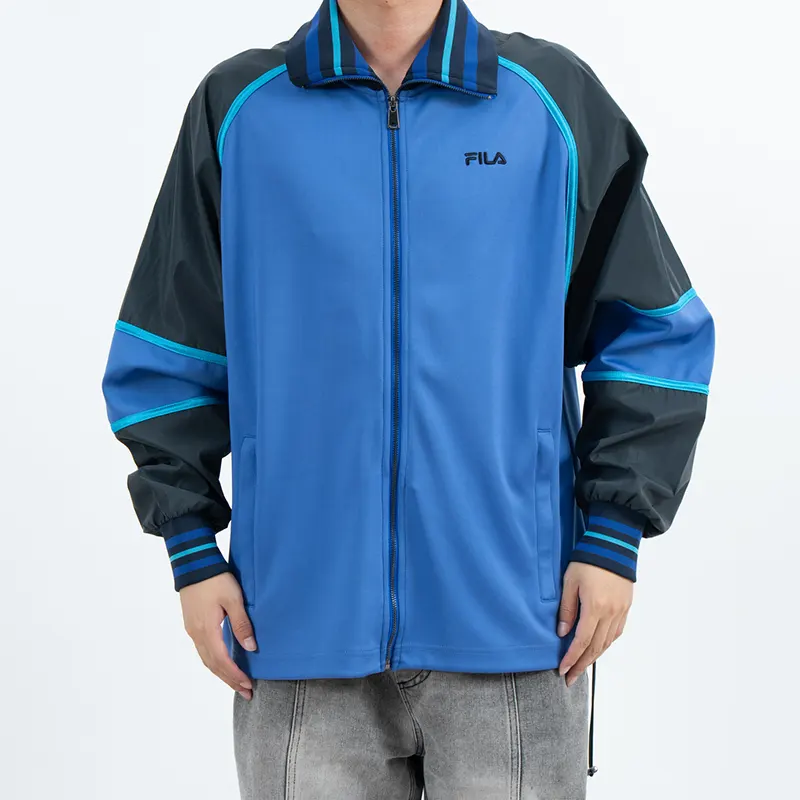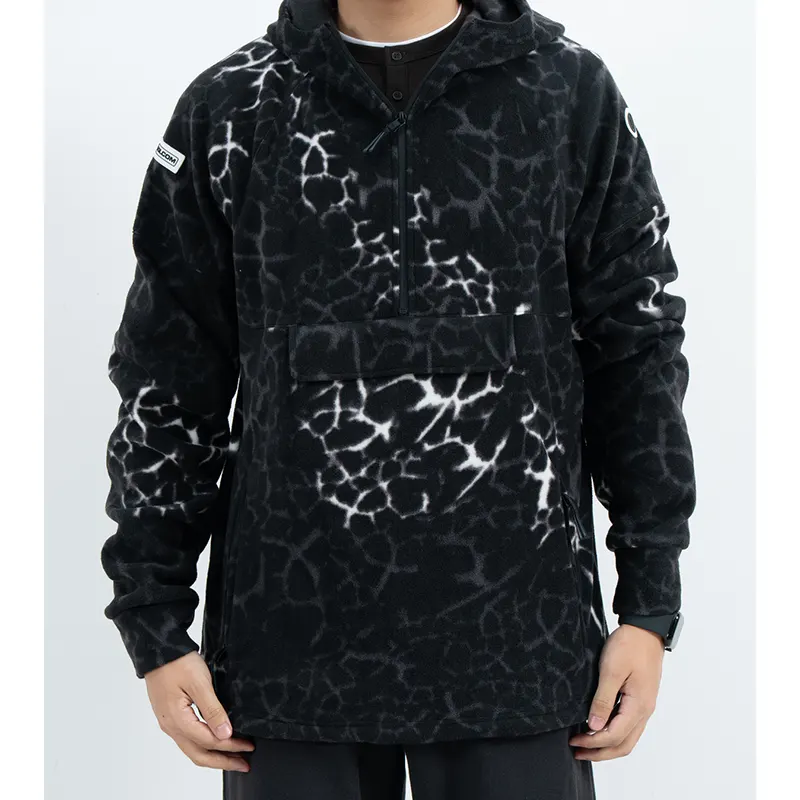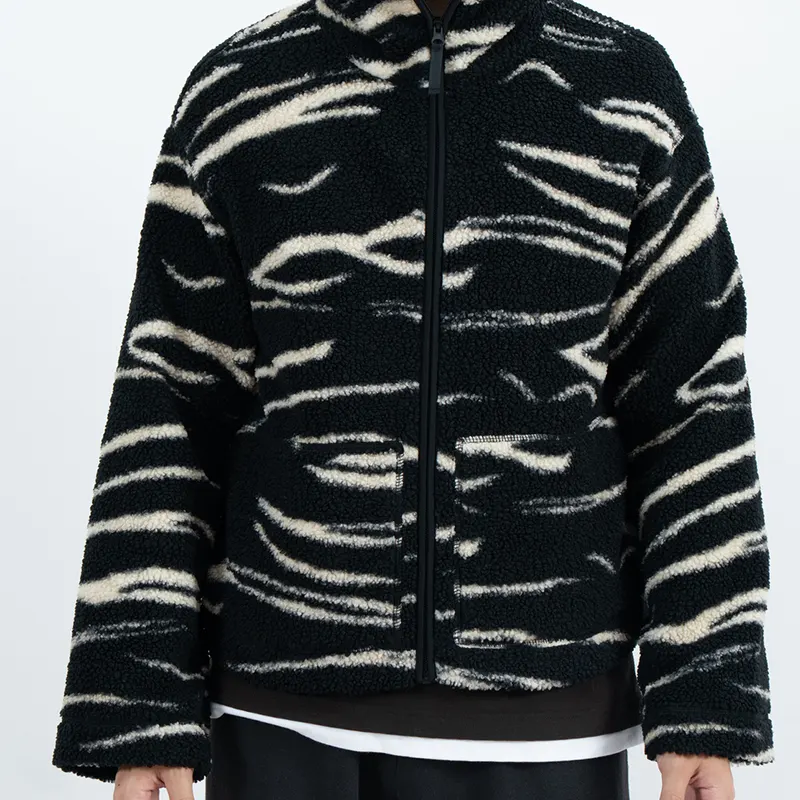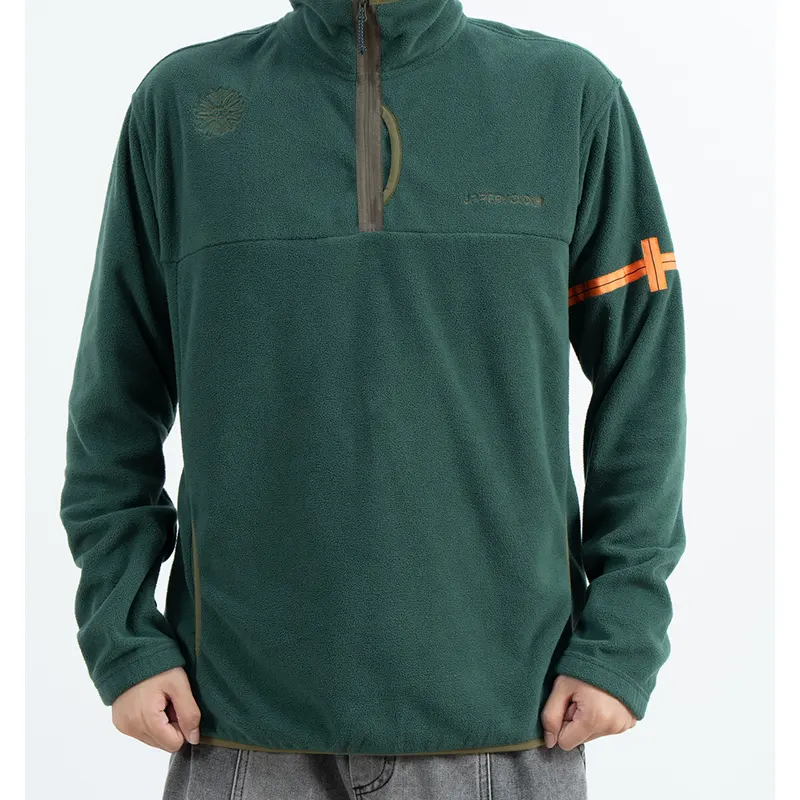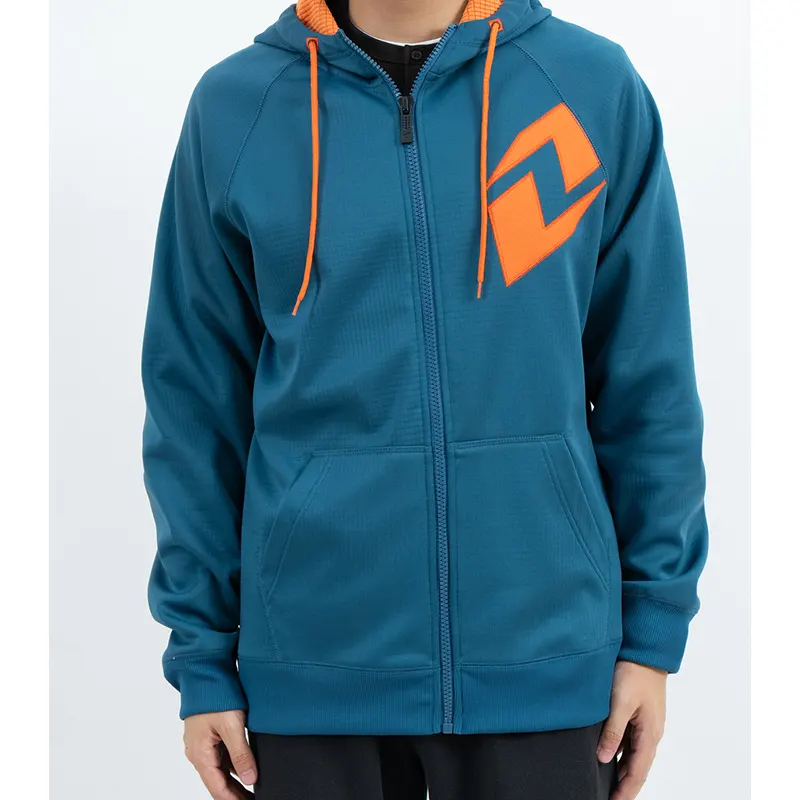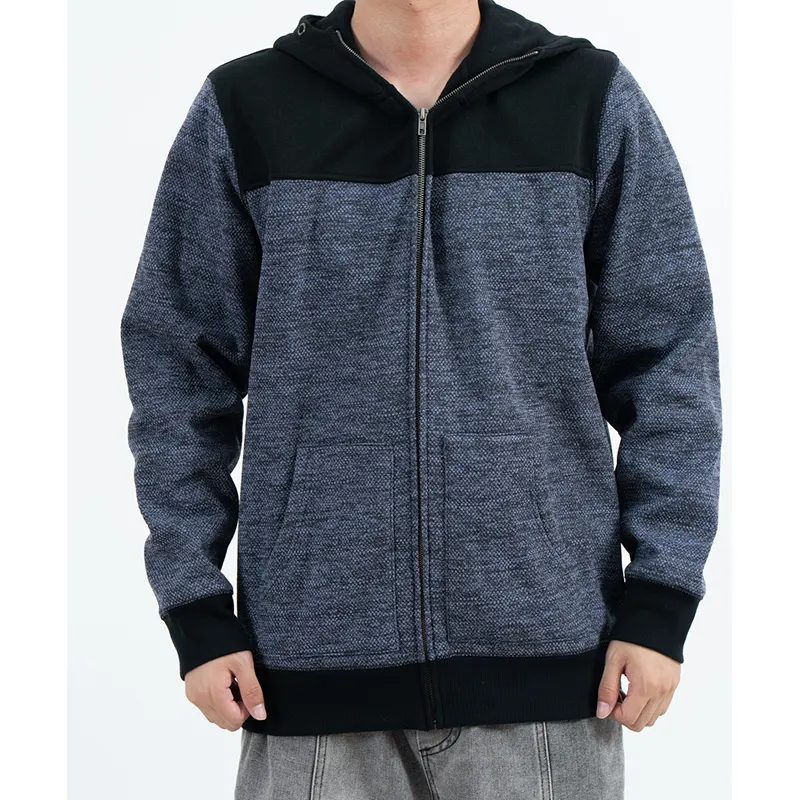

Ningbo Haishu Dongbang Garment Co., Ltd. develops custom Outerwear for collections that need a clear choice of outer layers. Jackets, Zip-Up Hoodies and Fleece Jackets & Pullovers differ in structure, wearing position and surface character, helping buyers define those roles before individual closures, linings or material options are selected.
How should outerwear categories be chosen for a seasonal range?
Begin with the layer the garment must cover and the job it must perform in the assortment. A shaped jacket may establish the collection's silhouette; a zip hoodie offers a casual layer; fleece adds a distinct pile surface and a different sense of garment volume.
| Category | Useful starting role | Main tradeoff to resolve |
|---|---|---|
| Jackets | A defined outer silhouette, from cropped styles to shell directions | Structure and coverage against weight and movement |
| Zip-Up Hoodies | A casual layer that can be worn open or closed | Hood and front volume against the inner garment |
| Fleece Jackets & Pullovers | A layer with visible pile and material texture | Surface character and bulk at openings and seams |
Climate and season should inform this choice, but category names do not specify protection levels. If a collection includes a technical shell, define its functional requirements separately from the casual layers. This keeps the range coherent without assuming every outer garment needs the same material or test program.
Which product directions can give the range distinct roles?
Choose examples that serve different positions in the collection, rather than selecting several garments with the same wearing purpose. The following directions show how proportion, exposure of the inner layer and shell styling can broaden the choice.
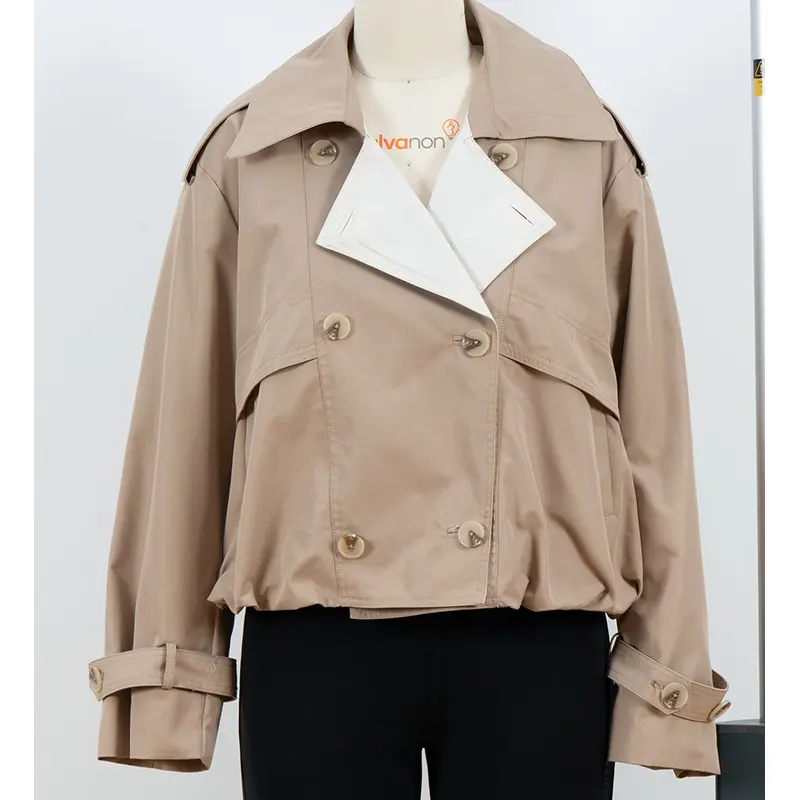
Cropped Trench Jacket · DB0002
Combines a short body with a contrast lapel, double-breasted front and cuff-tab details. Its value in an assortment comes from the shaped upper silhouette and visible waist area. It can be considered when the buyer wants a more structured outer piece alongside relaxed tops.
View Details →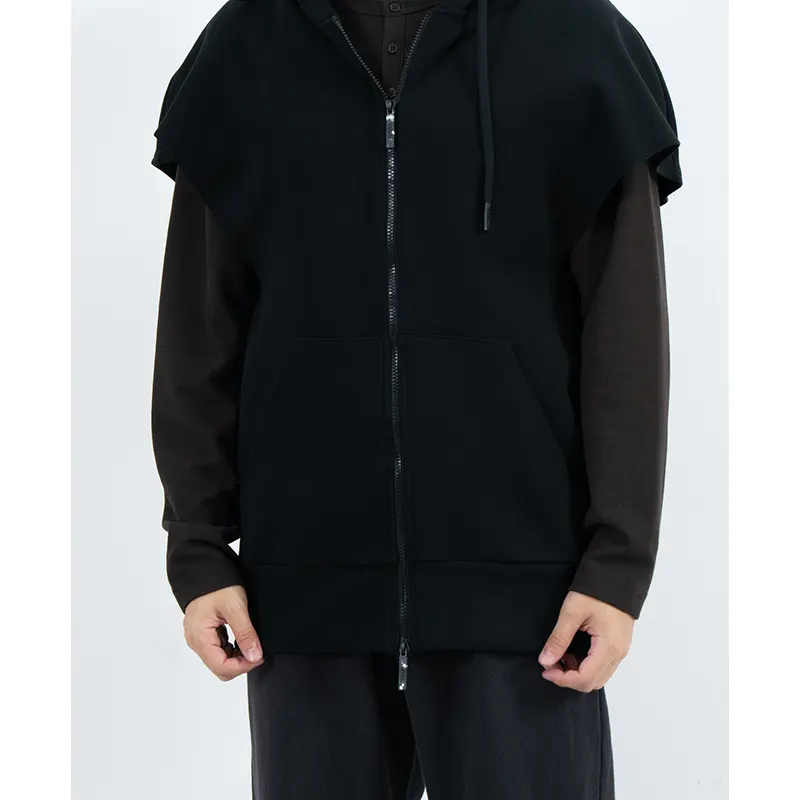
Sleeveless Zip-Up Hoodie · DB0040
Keeps the inner garment visible through its open armholes. Wide shoulders, a drawcord hood and split front pockets give it a different layering relationship from a full-sleeve hoodie. The combination should be reviewed with the intended inner top.
View Details →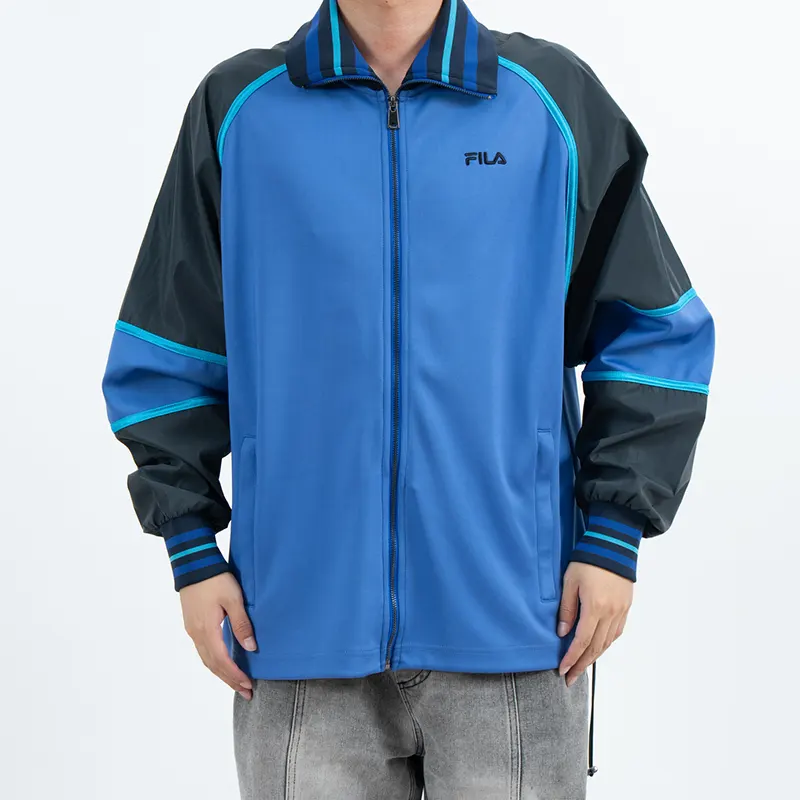
Outdoor Hardshell Jacket · DB0055
Offers a color-blocked shell direction with contrasting sleeve panels and hem adjustment. It provides a starting point for buyers who need an outdoor-facing piece in the range. The intended conditions should determine the material and construction brief.
View Details →What can be shared across an outerwear program?
Branding and selected components may be coordinated, while construction should remain appropriate to each category. Color references, labels and some trim designs can connect the range. A fleece body, a sweatshirt-based layer and a structured shell will still need separate material decisions.
Look at proposed combinations as well as standalone garments. An outer layer intended to cover a bulky sweatshirt requires a different amount of room from one worn over a light T-shirt. Too much commonality in fit can make the light layer look loose while leaving the heavier combination restricted.
For shared colors, compare the relevant components together: shell, pile, rib, lining and zipper tape can present a shade differently. For shared branding, check that the mark works on each available surface. Agreeing a family of related treatments can be more practical than forcing one decoration method onto every material.
What should be settled before requesting a program quotation?
Identify the product mix and the decisions that are still capable of changing its cost or construction. A buyer's program brief should make the following relationships clear:
- Which styles are core products and which are optional additions.
- What each garment will be worn over, and whether that inner piece is included in the order.
- Which colors, trims and packaging are shared across styles.
- Which garments require functional evaluation, and the intended acceptance criteria.
Add references, quantity by style, sizes and the required delivery window. Materials, lining coverage and closures should be defined for each garment before final costing. Where alternatives are still under review, ask for them to be evaluated as separate development options.
Coordinating Outerwear Production with Dongbang
Dongbang's workflow includes pattern and sample development, cutting, sewing, finishing, inspection and packing. For a mixed outerwear order, that manufacturing scope supports the development of different garments within one program, while each retains its own construction reference.
Third-party inspection or testing can be arranged when required. Identify which styles need that work and what must be evaluated so the inspection plan follows the actual product mix.
Frequently Asked Questions
- Can the same jacket concept be developed in lined and unlined versions?
- It may be possible, but the inside finish, facing, bulk and fit should be reviewed for each version. Removing a lining can expose construction that was previously covered.
- Can custom buttons or zipper pulls be included?
- They can be considered subject to design, supplier, quantity and functional review. Include the proposed trim early because it affects the front-opening specification.
- What is the usual MOQ for an outerwear style?
- The standard reference is 500 pieces per style. Lower quantities may be reviewed depending on the product, with a possible effect on unit cost.
- How should a material substitution be handled on a later order?
- Compare the proposed material with the approved reference and review its effect on the garment. Any relevant fit, construction or performance approval should be reconsidered before the replacement is accepted.
Outline the outerwear roles your collection needs and identify the priority style for Dongbang to assess first.
Contact Us Now