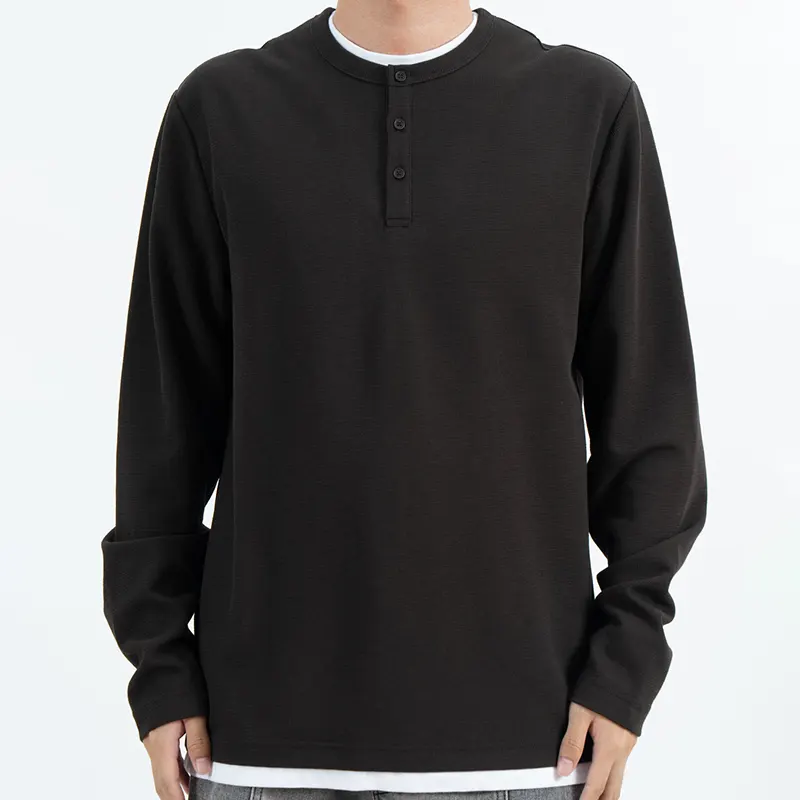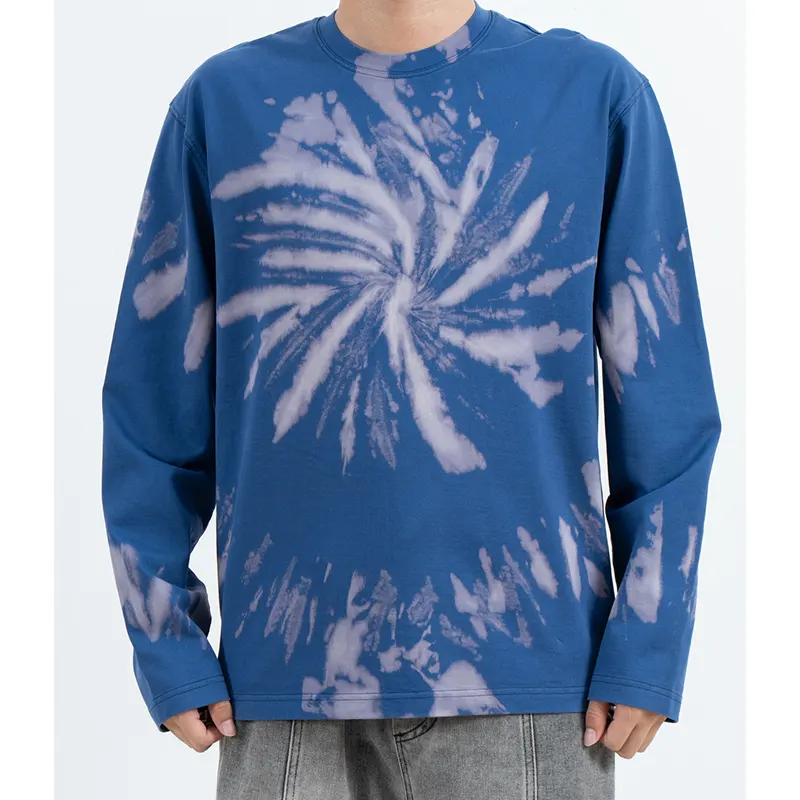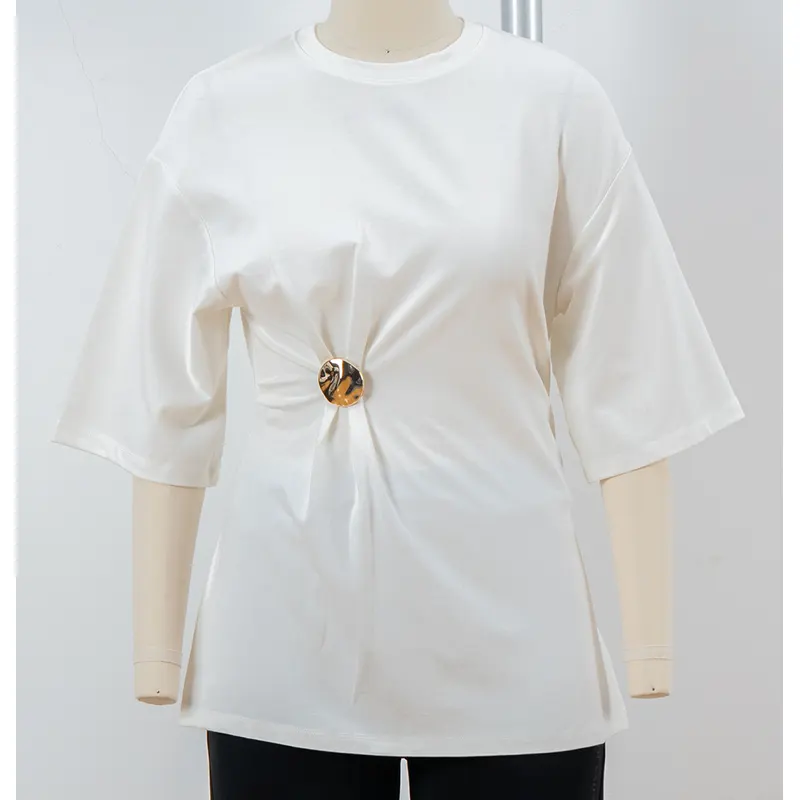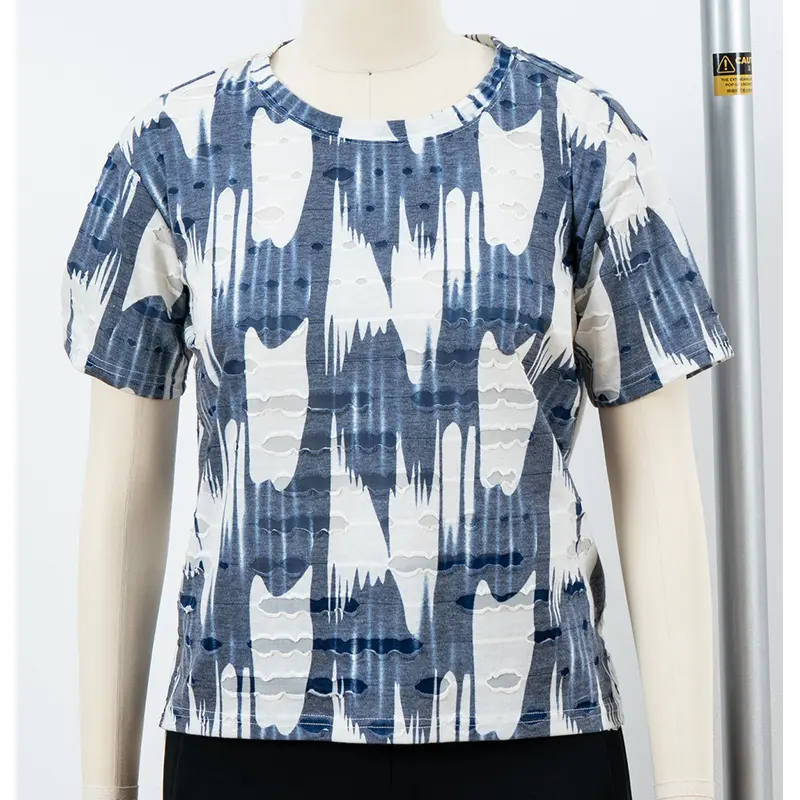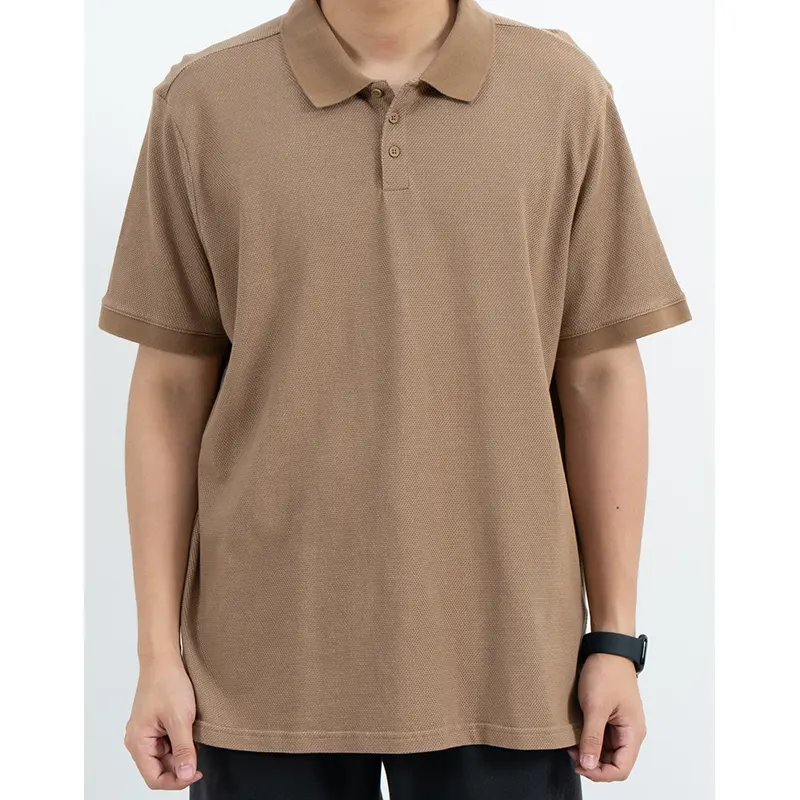

Dongbang supplies custom Polo Shirts for staff programs, casual ranges and collections with a stronger graphic identity. The collar and placket give the garment a recognizable structure, while sleeve length and decoration change its role. Ningbo Haishu Dongbang Garment Co., Ltd. supports development around those commercial choices and the fabric needed to carry them.
What role should a polo play in the product range?
Choose whether the polo should provide a restrained uniform appearance, an everyday collared option or a more expressive branded piece. This gives direction to sleeve length, collar shape, color and decoration before individual details are finalized.
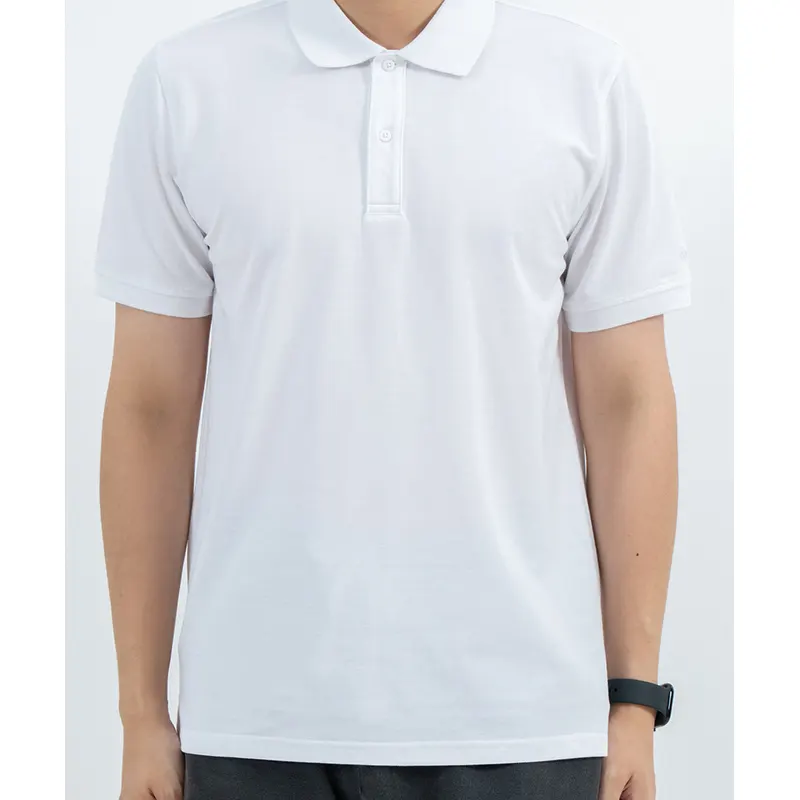
DB0028
White Short Sleeve Polo Shirt
Uses a white body with a conventional collar and two-button placket. Its simple front puts the emphasis on the shape of the collar, the opening and the relationship between sleeve and body. It offers a reference for a clean polo concept that could carry a small brand mark or remain visually plain.
View Product Details →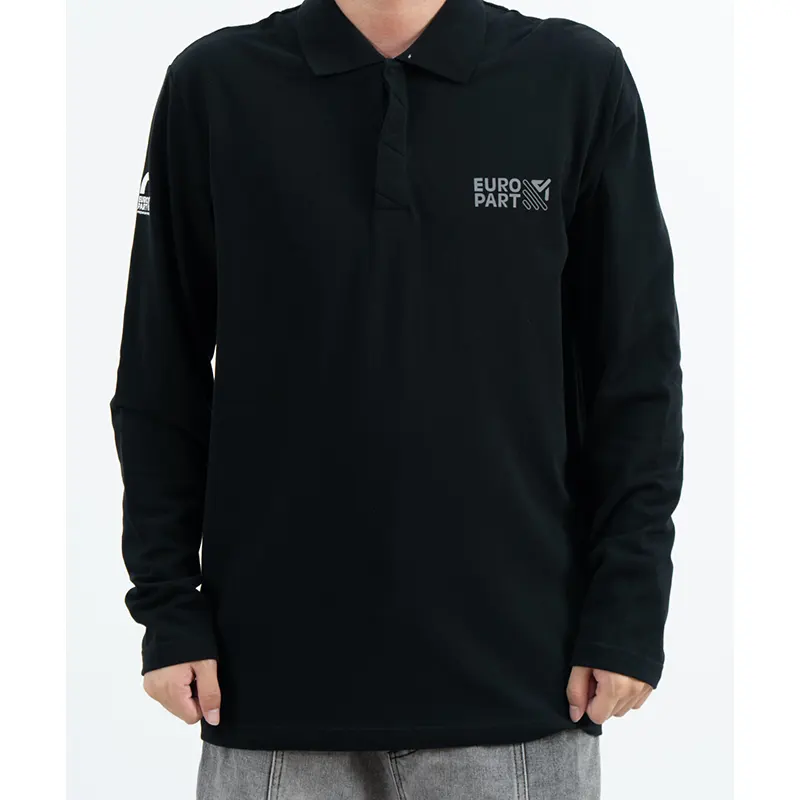
DB0039
Long Sleeve Polo Shirt
Adds chest branding and a truck graphic across the back. It gives the rear view a stronger role and offers more sleeve coverage. A buyer developing this direction should consider how the garment reads from a distance as well as how the collar and cuffs behave when worn.
View Product Details →The two directions can sit in one range, but they answer different presentation needs. A staff program may prioritize consistent front branding, while a graphic collection may use a larger back design as the main selling feature. Fit and surface should follow that purpose.
How can branding work with the polo's structure?
Place branding in relation to the collar and opening so it looks intentional when the garment is worn. A chest mark should have a defined distance from a fixed garment point. Its apparent position can change with the placket length, body width or the way the collar sits.
Large back artwork needs a different balance. Review its width against the shoulders and its height against the body length. Sleeve decoration should be viewed with the arms both relaxed and moving; a placement that looks centered on a flat sleeve may be less visible on the body.
Select print, embroidery or another treatment after reviewing the artwork and material. Fine lettering, a broad filled graphic and a small emblem create different demands. The branding brief should include finished dimensions, colors, location and the desired surface feel rather than a logo file alone.
Collar, Placket & Front Balance
The collar, placket and body fabric need a compatible level of support. A firm opening on a very soft body can pull attention to the front; a collar with too little support may not retain the intended shape. Check the components together in both open and fastened positions. Specify collar dimensions, placket length and width, button spacing and any reinforcement. At the bottom of the opening, look for a clean transition into the body.
Fabric, Surface & Decoration Compatibility
Fabric selection should include surface, drape, weight and opacity. A textured knit can give a different impression from smooth jersey, while the chosen body also affects how decoration sits. Record the material and collar construction as one development combination so changes to either prompt a review of the front.
How can short- and long-sleeve polos form a coherent program?
Use shared design decisions where they help recognition, then develop the sleeve and body relationships for each version. Collar proportions, button appearance and a color palette can link the styles without requiring identical fit allowances.
A long sleeve introduces questions about cuff treatment, elbow movement and how it looks beneath another layer. A short sleeve needs a considered opening width and a finish that works with the upper arm. If one version will be tucked in and the other worn loose, body length, side vents and hem shape may also need different treatment.
Build a separate measurement brief for each version, even when both start from a common reference. Identify which features must stay consistent across the range and which are expected to change. This makes the program easier to quote and prevents sleeve length from becoming the only recorded difference.
Decoration and Sampling Support for Polo Programs
Dongbang can coordinate printing and embroidery through long-term partner suppliers when required. For a polo program, this is useful when a small chest mark and a large back graphic need different development trials on the chosen fabric.
Product-development sampling is normally expected before bulk production. Use that stage to review the decorated garment with its collar and opening assembled; the brand treatment and the polo structure should be judged as one product.
Frequently Asked Questions
- Can a chest pocket be added to a plain polo?
- It can be considered. Pocket dimensions and position should be reviewed against chest width and any proposed logo so the front does not become crowded.
- Can a contrasting fabric be used inside the collar?
- It may be suitable after checking thickness, stretch, shade and care compatibility with the collar construction. Include the visible area in the design reference.
- What information is useful for replacement-button packing?
- State whether a spare button is requested, which button it should match and how it should be packed. Packaging requirements remain subject to product and order review.
Tell Dongbang whether the polo is intended for a uniform, casual or graphic range, and include the sleeve options and branding references you want evaluated.
Start Your Polo Shirt Project